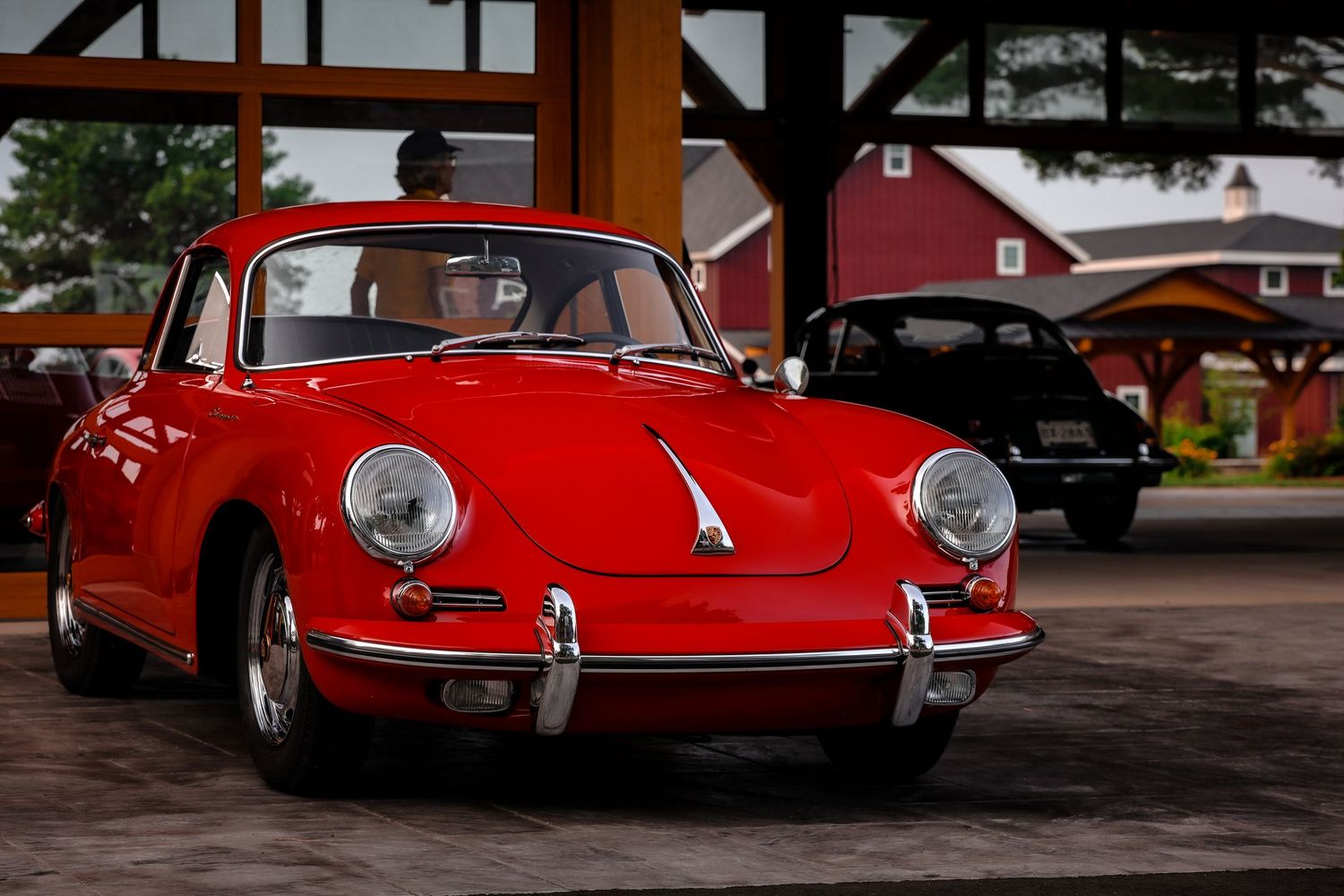
From wild hues to grayscale
Take a walk through any modern dealership lot and you'll notice something immediately: white, gray, black, silver...and then more of that. Even before my time, cars came in electric blues, avocado greens, sunset oranges, and reds that looked radioactive in the bright sun. Today, variety feels like its been set on the back burner. So what happened-and is there any chance we could see color revitalized in the automotive industry?
Personality in Paint
In the mid-20th century, car color was a statement. Automakers at the time were not just selling transportation-they were selling status and individuality which in turn curated optimism for the consumer. Post-war America embraced color everywhere: kitchens, clothing, appliances, and cars followed suit. Paint names were playful and bold, making buying a car feel personal, because it looked personal.
Back then, manufacturing volumes were lower, supply chains were simpler, and buyers expected to wait for a car built to their taste. Variety wasn't a logistical nightmare then, it was a crucial selling point.
The Fade to Gray
The slow dilution of color didn't happen overnight. There are a few heavy forces that initiated the slow squeeze, that ultimately took color out of the question. Modern automotive production is built on efficiency, consistency, and scale. Every additional color adds complexity:
- More paint changeovers
- More quality checks
- More inventory risk
Neutral colors are easier to standardize and cheaper to produce at a massive scale. Color was one of the first things to get trimmed when the margins became tighter. Automakers are fully aware of how much money can be saved from this process, and they have been doing it for years. The interesting question is whether or not the automakers shifted the color interest out of the consumer, or if the resale value curated the monotony.
As leasing and resale values started influencing purchasing decisions, neutral colors won. Black, White, and silver are easier to resell across multiple regions and demographics. The perfect storm was manufacturing efficiency and resale value becoming friends, and the automakers noticed. Buyers might like bold colors, but they buy neutrals when thinking long-term.
As this trend began to expand, the global markets smoothed things out even more. Cars are no longer designed just for one country, and a single model might be sold in dozens of markets, each with different tastes. Neutral colors became the safest global compromise-inoffensive everywhere, beloved nowhere.
From an automaker's perspective, bold colors became a gamble. A misjudged shade can sit unsold for months, while neutral colors almost never do. In an industry obsessed with forecasting and optimization, emotion was lost through the waves of spreadsheets. The irony here is that color is one of the cheapest ways to make a car feel special-yet it's treated like a liability.
The Colorful Comeback
While some may say that color is gone forever, others believe quite the opposite. Regardless of what side of the coin you live on, there are a few interesting key factors that are happening today that could drastically change how color is introduced and sold in the automotive industry, but probably not in the way it used to:
- Limited trims & Special editions - Automakers have been frequently introducing and testing bold colors, without committing to full-scale production.
- Wrap Culture - Buyers personalize after purchase, ultimately shifting risk away from manufacturers. This personalization ability is massive in the racing and show car scene.
- EV experimentation - Electric vehicles have loosened design rules in a big way, opening the door for softer pastels, futuristic hues, and two-tone options.
- Younger Buyers - Gen Z buyers value expression over resale, and automakers are watching closely.
What's unlikely is a return to mass-market rainbow palettes across every trim. What is likely is targeted color-intentional, story-driven, and tied to identity rather than volume.
Final Thoughts
Cars haven't lost their ability to be colorful-we've just optimized the joy out of them. As buyers slowly push back and demand personality again, color may return not as a default, but as a deliberate choice. And honestly? That might make it feel special all over again.
If color does return in a larger way, it will likely come from shifts in culture rather than manufacturing. When people start valuing individuality over predictability, companies will tend to follow suit. Automakers pay close attention to trends even outside their own like in fashion, technology, and design, and those industries often move in cycles. Just as homes and clothing styles eventually swing back toward bold patterns and brighter palettes, the automotive industry may follow the same rhythm.
Buyers today want products that reflect their identity, and vehicles are no exception. Whether through factory paint options, custom trims, or aftermarket wraps, people are finding ways to bring color back into their vehicles even if manufacturers are slow to offer it. That demand could eventually push automakers to take more risks again.
For now, the sea of grayscale cars may remain the norm. But history shows that design trends rarely stay static forever. Color didn't disappear because people stopped loving it-it disappeared because efficiency and predictability took priority. If the balance shifts even slightly back toward creativity and self-expression, the roads might one day look a lot more vibrant again.
