From a DM to a Driver's Grid
There's something uniquely special about watching a community form in real time-especially when it starts with something as simple as a direct message. The West Michigan M//Power Club wasn't something I sought out initially. Like a lot of good things in this space, it started organically through social media-commenting on posts, sharing work, collaborating on small events like Deutschemarques. Over time, one of those connections turned into a friendship with the club's organizer. That relationship eventually opened the door to something bigger: becoming one of the photographers for a group that has turned into one of the most consistent and rewarding automotive events I cover each year.
Grattan Raceway: Where It All Comes Together
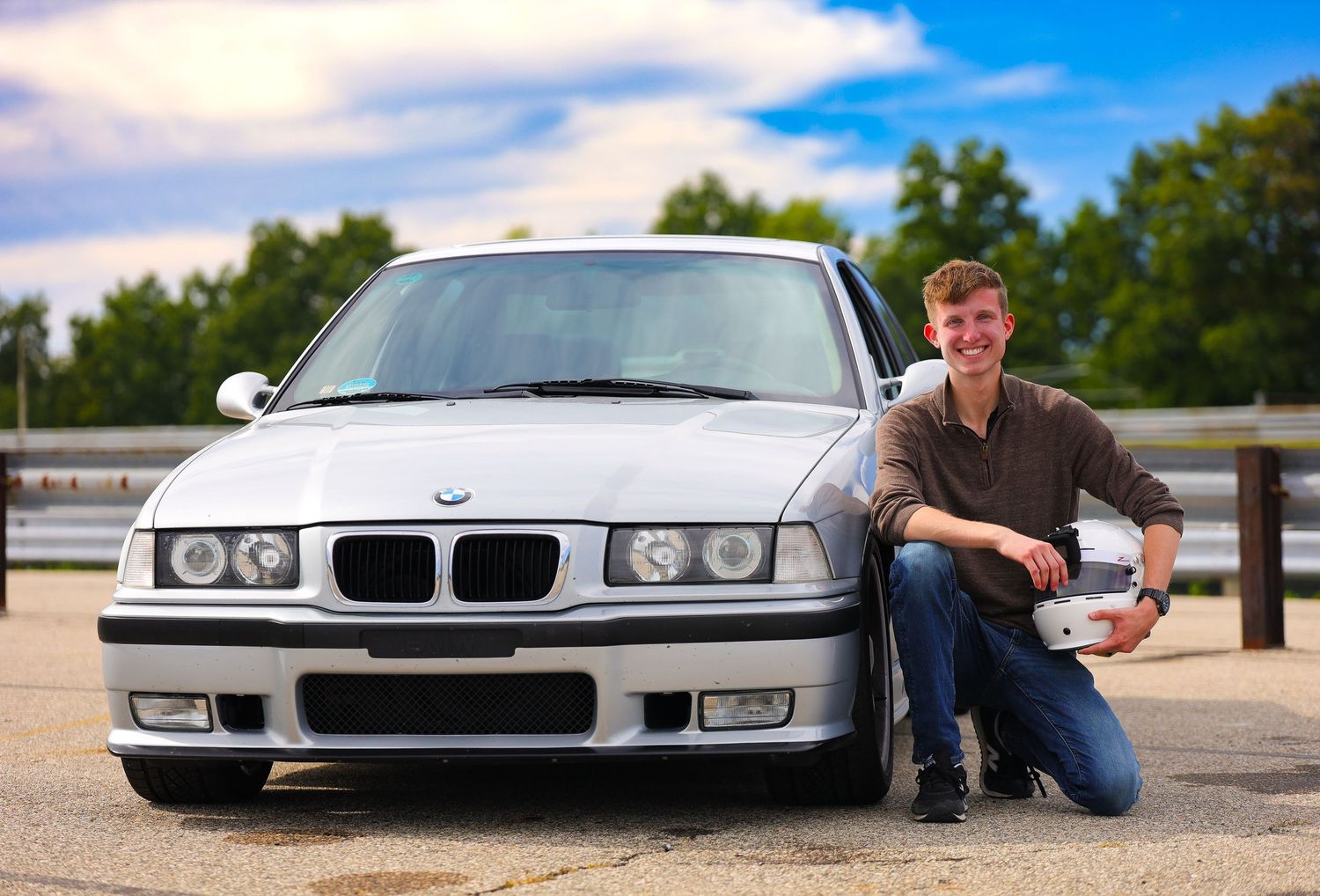
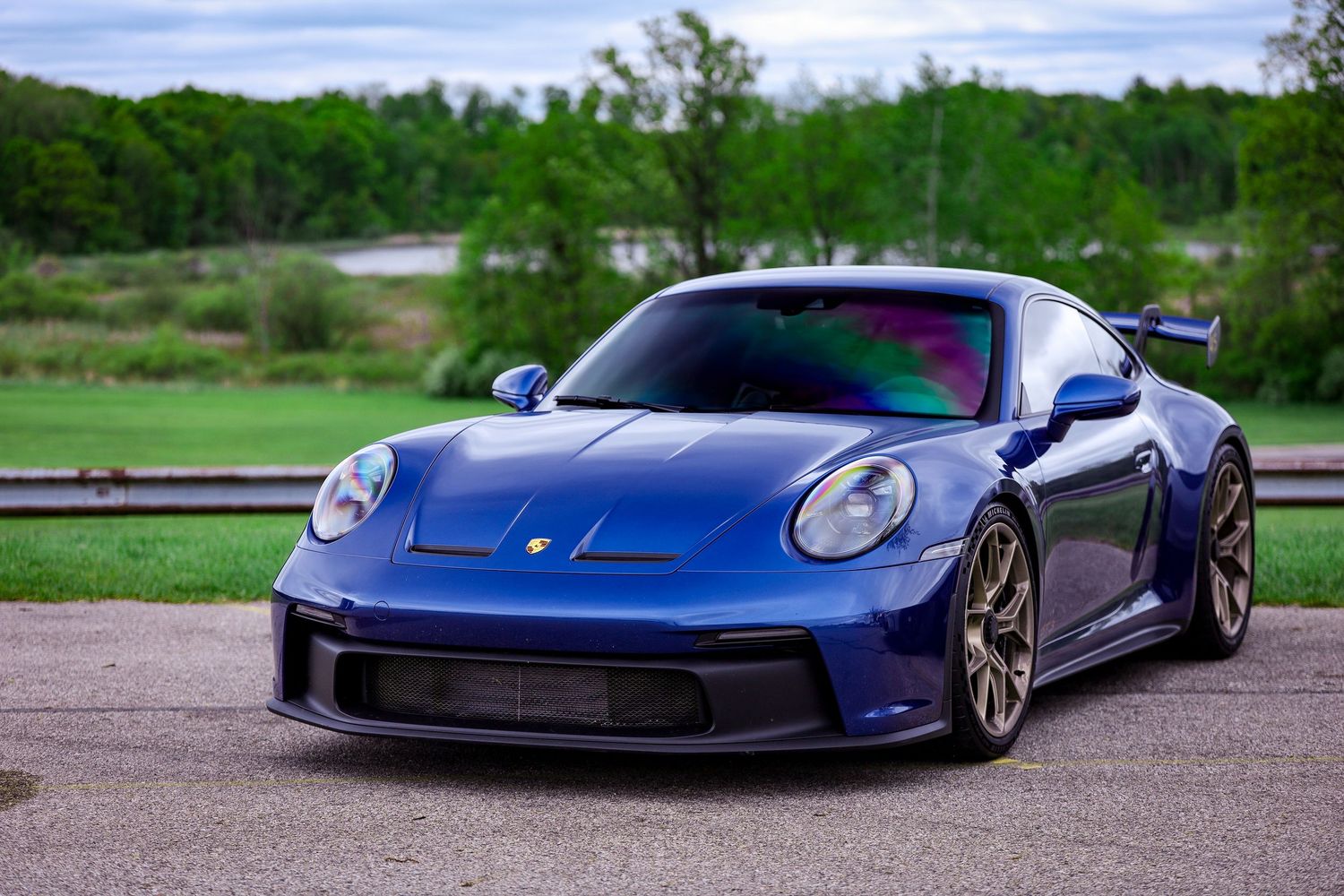
Twice a year, we all converge at Grattan Raceway in Belding, Michigan. And I mean converge-not just BMW's, despite the club's roots. The paddock fills with a diverse mix: M cars, Ferraris, Volkswagens, track-prepped Fords, and the occasional wild card build that stops everyone mid-conversation. It's less about brand loyalty and more about shared obsession-precision, performance, and the ultimate experience of driving.
Shooting the Track: Controlled Chaos
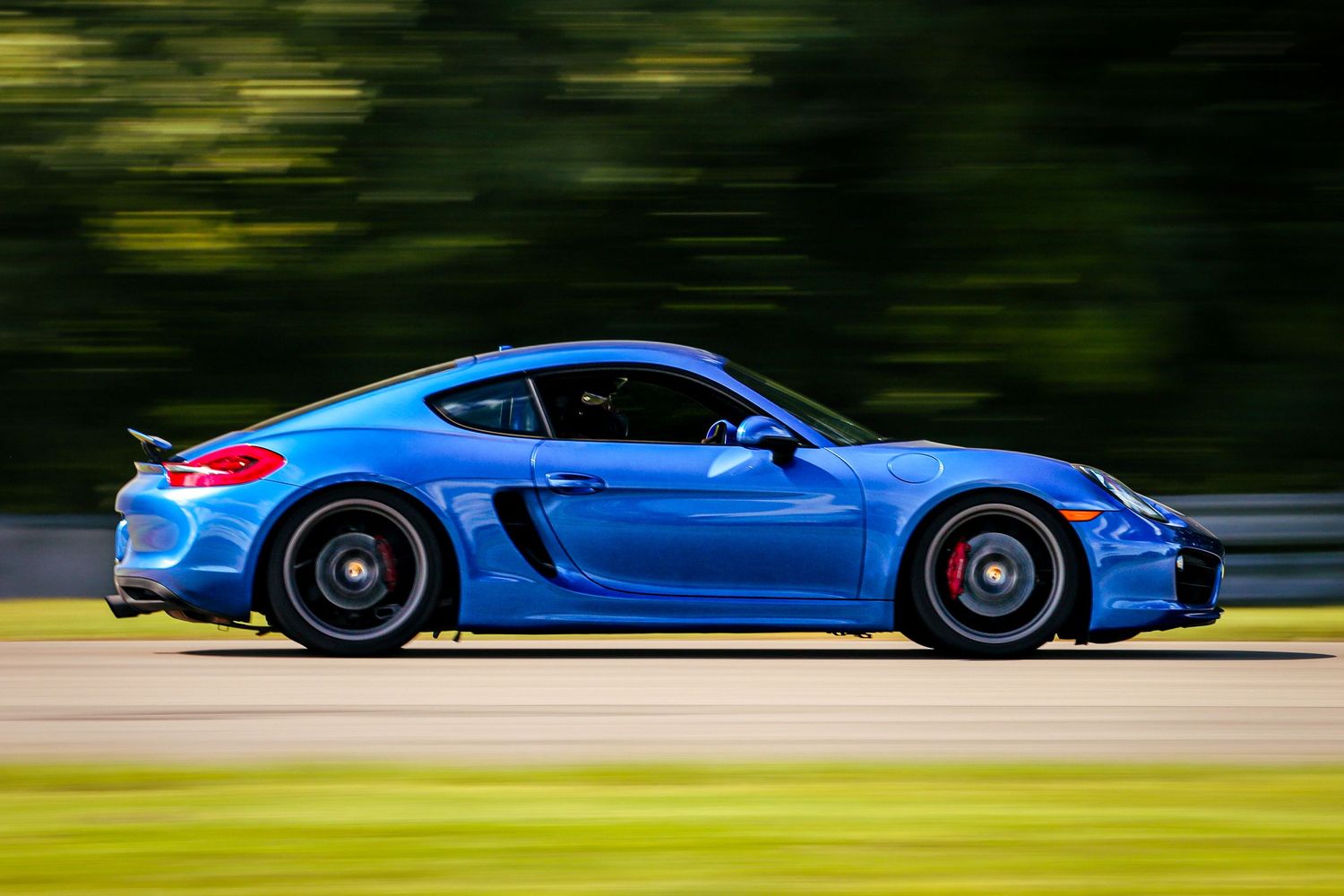
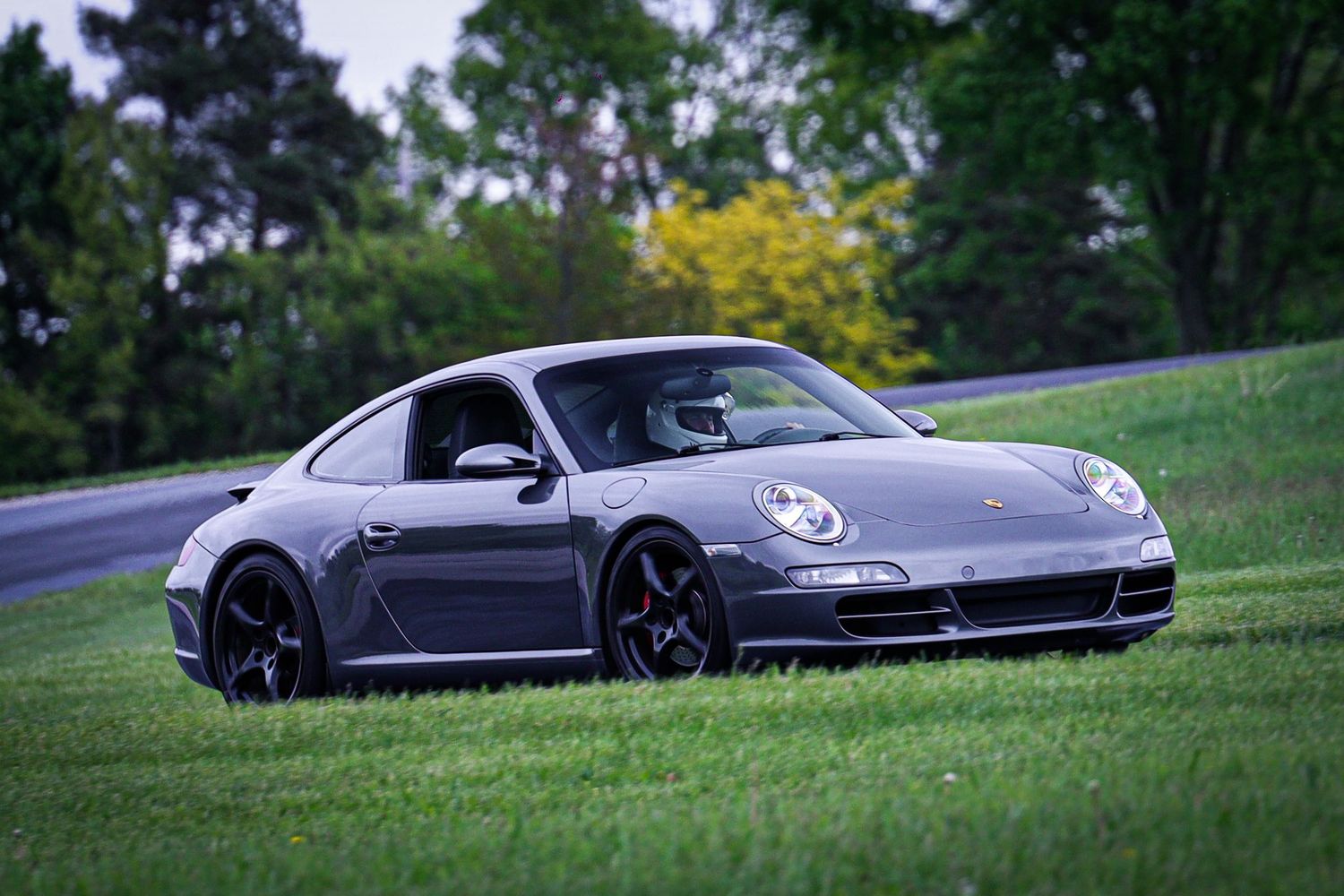
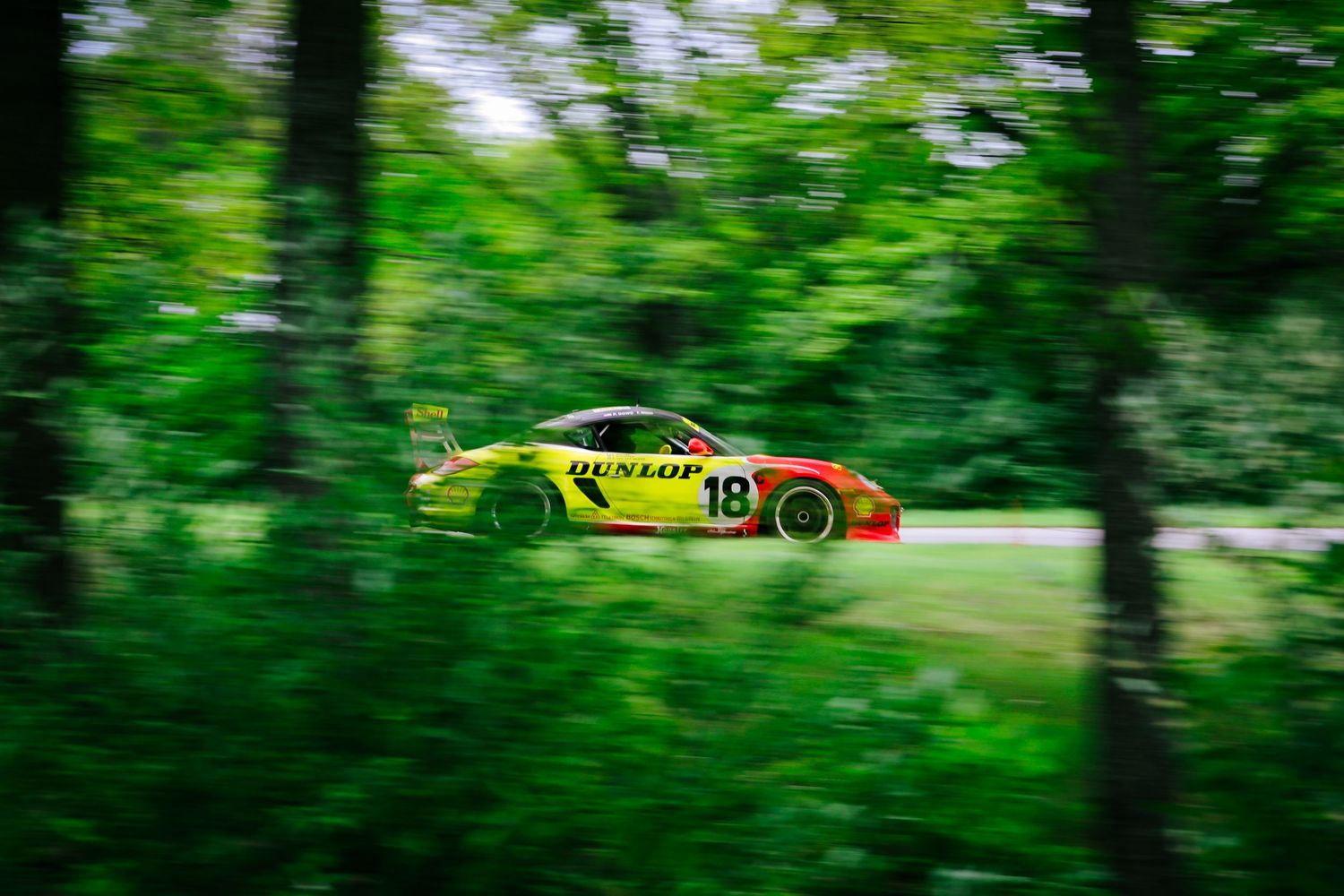
From my perspective as an Automotive Photographer, this event instantly became a goldmine. I wasn't just excited about the amount of content I could get, but rather the exponential amount of practice I gained in this real-world opportunity. Track photography forces you to think differently, which in turn makes you shoot differently. You're constantly balancing motion, light, and positioning. Knowing how to operate your camera and doing it comfortably to keep up pace is key in moments that go by fast. One minute you're tracking a car through a high-speed corner, the next you're repositioning to catch compression over elevation changes that Grattan is known for. You're always moving, adapting, and anticipating.
But what makes it stand out isn't just the visuals-it's the access. Being embedded with the group means you're not just an observer; you're part of the environment. You know the drivers, you understand their cars, and that translates into how you shoot. You start to anticipate who's going to push harder into Turn 3, who's got the most dialed line, and who's just out there enjoying the drive. That familiarity became more clear to me, the more I shot this event.
Riding Shotgun: Experiencing the Track Firsthand
Something that adds a completely different layer of appreciation is the ride alongs. I've had the opportunity to be whipped around a few times at Grattan, and both experiences reshaped how I view track driving. As a passenger, you're stripped of control, which heightens everything-speed, braking, cornering forces. You feel the car in a way that's hard to articulate to someone who's never done it.
One of the most important aspects you will see around any track you attend, is safety. Helmets are mandatory, and not just for show-properly fitted, strapped, and checked. Drivers go through pre-session inspections: tire condition, brake wear, fluid levels. There couldn't be a more clear emphasis on ensuring safety and solidifying trust between you, the car, and any passengers.
On track, the experience is intense but controlled. This calculated chaotic experience has your body instinctively tensing up on every corner, but you quickly learn and adapt to the driver's inputs. Aggressive cornering curates highly exceptional throttle application on exit, where you feel the rear of the car settle and hook up. You felt more of the car's personality-slight imperfections, more feedback through every transition. From a photographer's standpoint, Those experiences directly influence how I shoot these cars. You begin to understand what the driver is experiencing at each point on the track, and that perspective shows up in your work.
Rolling Shots: Precision at Speed
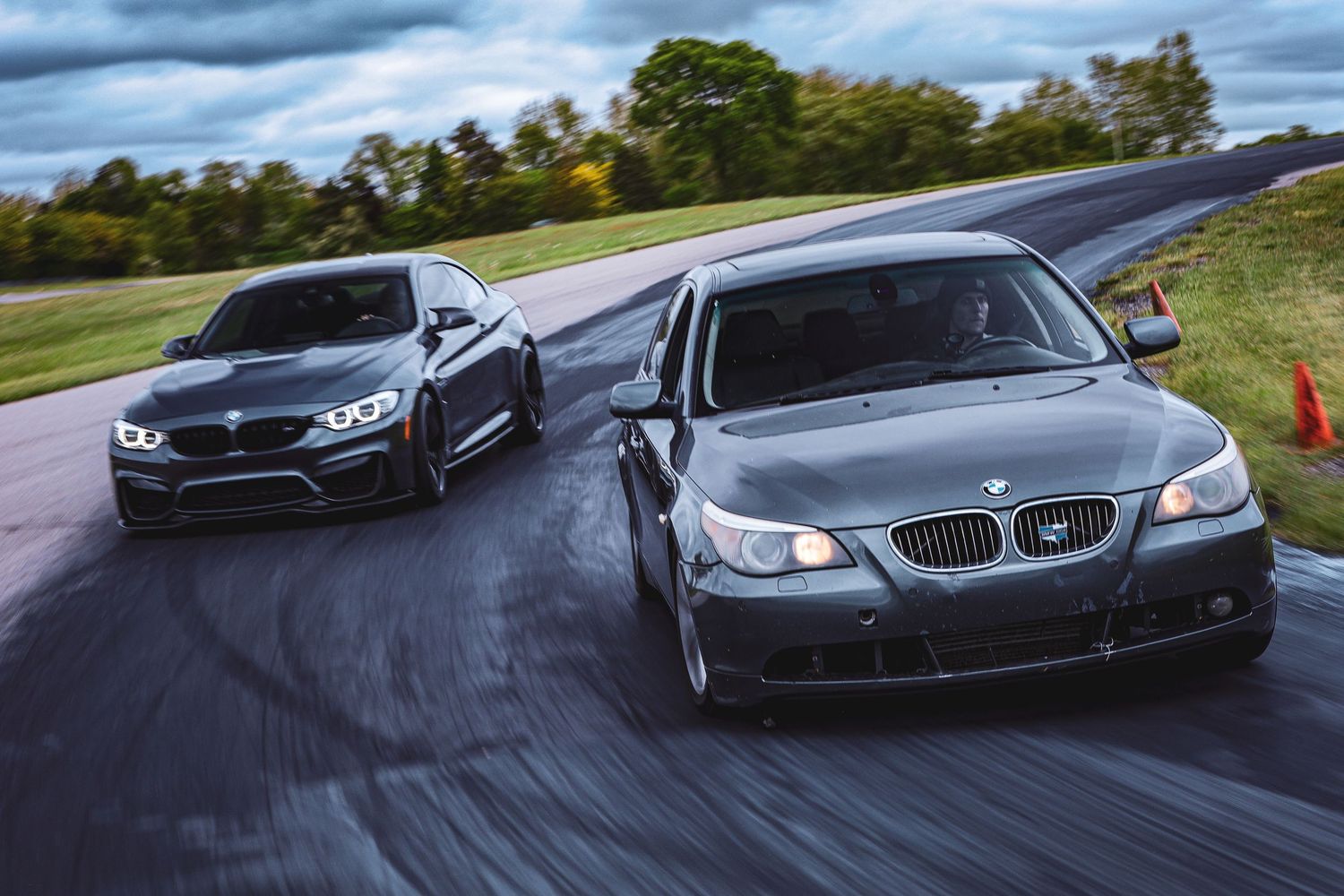
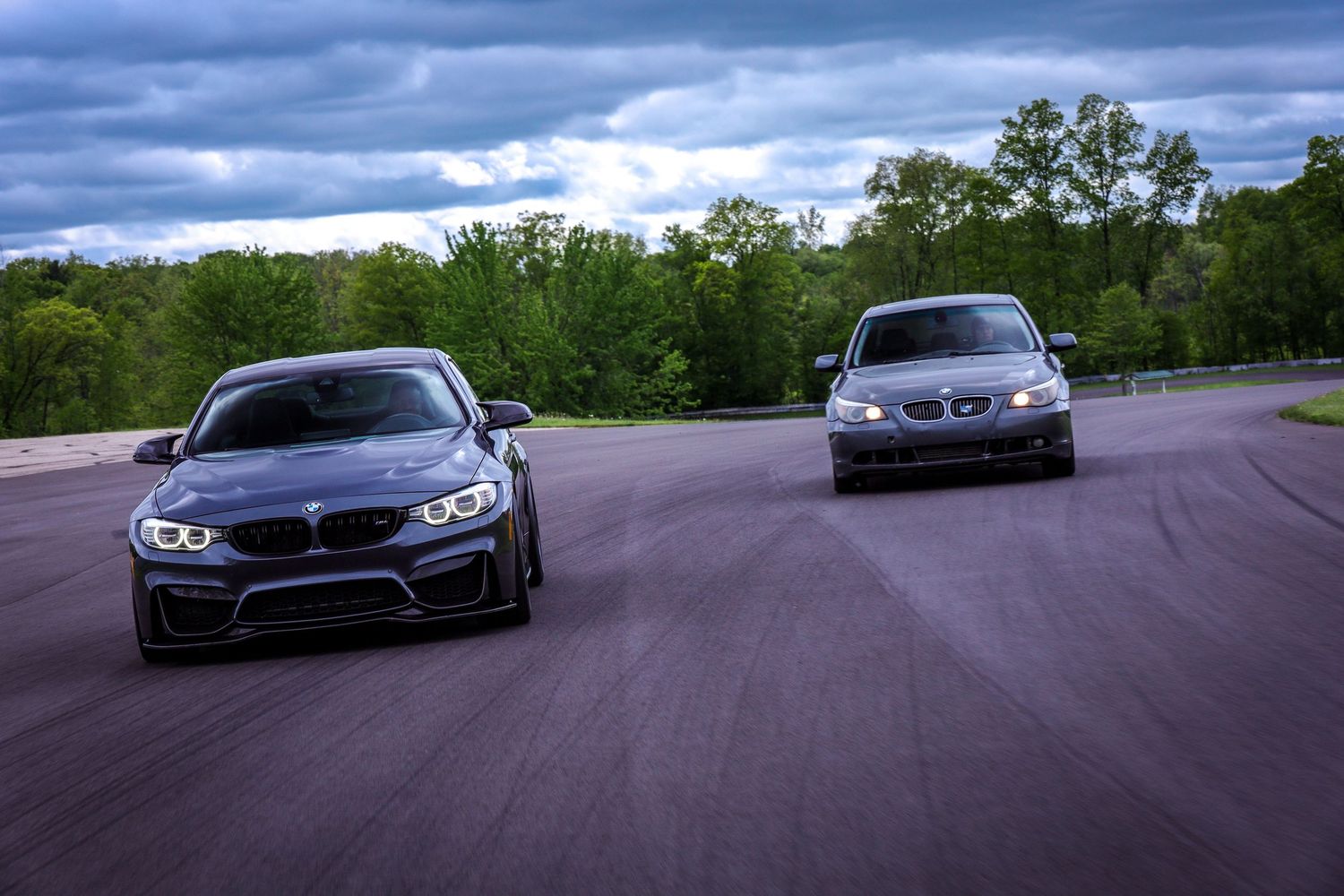
Just when you think the adrenaline couldn't rise any higher, you find yourself in the back of a lead car performing arguably one of the most technical and trust-dependent types of automotive photography out there. For rollers, I'm positioned in the back of a lead car, often with the hatch or trunk open, harnessed in and braced against the chassis. Camera in hand, I'm shooting cars chasing behind us while we're all moving at speed.
You're coordinating with multiple drivers at once-maintaining consistent speeds, spacing, and communication. Smooth inputs are everything. Any sudden acceleration or braking ruins the shot and introduces risk, so there's a shared understanding across everyone involved: precision driving for the sake of the image.
From the back of the car, my world completely compresses. Focused entirely on composition-lining up the lead car's framing, watching the background streak just enough to create motion, dialing in shutter speed to balance sharpness and blur. The cars behind you aren't just subjects-they're moving targets, and every adjustment they make affects the shot.
There's also a heightened level of awareness. You're exposed, physically positioned outside the normal confines of the vehicle, relying heavily on the driver you're with. Communication becomes critical-hand signals and radios are your best friend in these complex times. Everyone plays their role, and fully understands how intentional and locked in you have to be. When it all comes together, though, the results are worth it. Rollers capture something static shots never can-the feeling of motion, the energy of the drive, the connection between machines and the track. It's controlled chaos turned into something clean and intentional.
To be fair, I’ve only shot rollers a handful of times. But one of the most vivid memories I have came from my very first shoot—something that, at the time, was also a first for our group.
I was harnessed into the open trunk of a Porsche Cayenne, my good friend Austyn behind the wheel. Music filled the car—perfectly matching the energy of the moment—and everything just clicked. The coordination, the movement, the trust—it all came together in a way that’s hard to fully explain unless you’ve experienced it. Between shots, we kept saying the same thing over and over again: “This is fucking awesome.” And it really was.
That moment stuck with me—not just because it was new, but because it captured exactly why rollers are so addicting. It’s not just about the final image. It’s about the experience, the people involved, and the shared focus required to create something at speed. Every time you line up a shot, you’re relying on more than just your own skill—you’re trusting everyone around you to execute their part just as precisely.
More Than Cars: Building a Network That Lasts
Just like on the track, those moments build trust-both in your ability to deliver and in the group's willingness to keep bringing you into those experiences. Between sessions-and between shoots-the paddock becomes a social hub. This is where networking stops feeling like "networking" and starts feeling like community. Conversations flow naturally-about builds, about business, about life outside of cars. Over time, you realize these aren't just clients or contacts; they're people you genuinely look forward to seeing twice a year. That's the part that's hardest to quantify but probably the most valuable.
What started as a simple social media connection evolved into an annual commitment- something I plan for, something I invest in, something that continues to grow myself and the community. It's a reminder that in this industry, relationships drive opportunities just as much as skill does. Everytime I step onto that track-or hang out the back of a car chasing the perfect shot-camera in hand, surrounded by cars and people I've come to know, it reinforces why I do this in the first place.