Gridlife Special Stage at Road Atlanta — Through My Lens
There are some trips that feel like a destination, and then there are trips that feel like a checkpoint in your own story.
I was fortunate enough to receive Gridlife media access for another season, and my first stop on the tour was the Gridlife Special Stage at Michelin Raceway Road Atlanta.
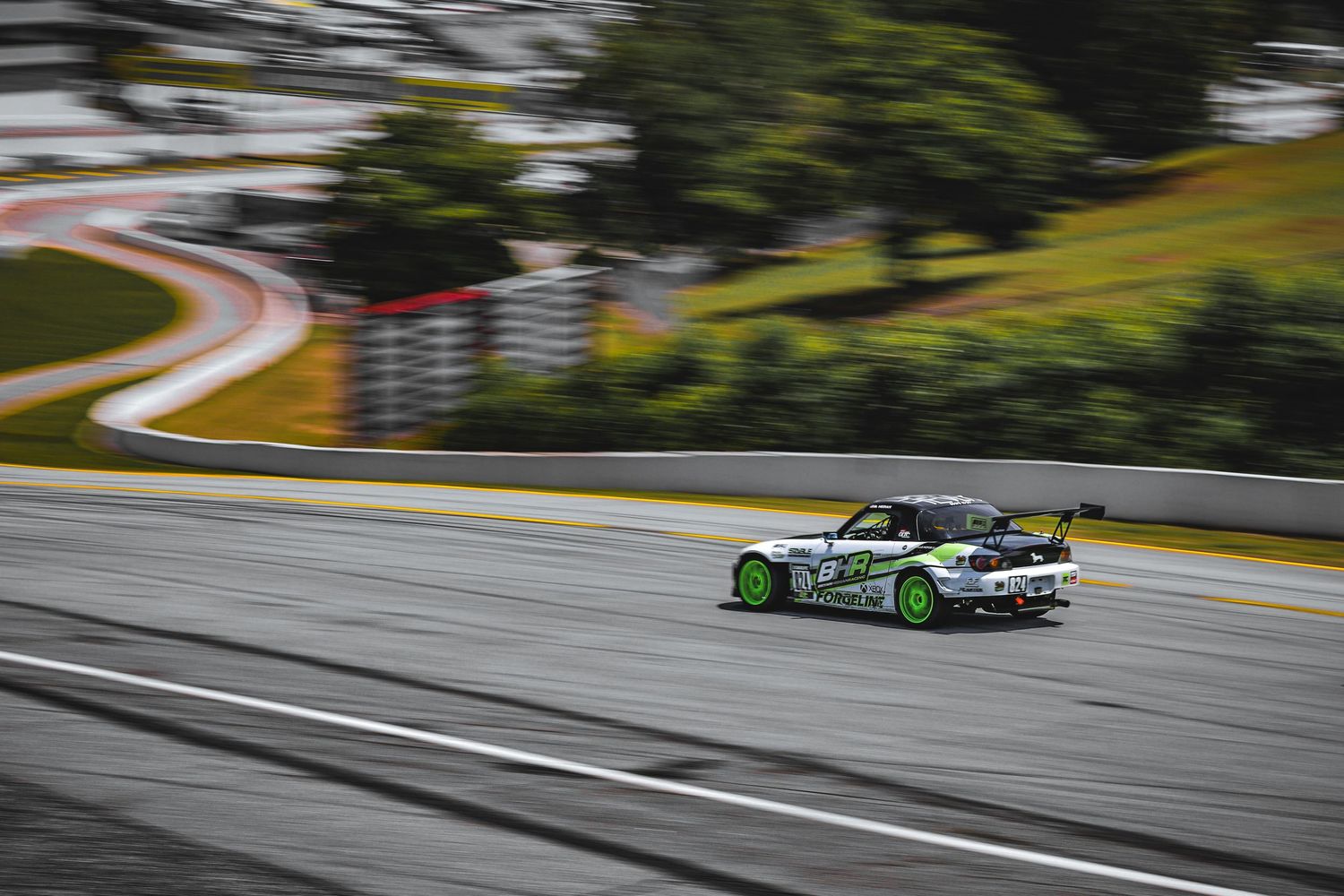
Road Atlanta has a presence before you even see a car touch the track. Tucked into the rolling hills of Georgia, the facility feels less like a modern motorsports complex and more like a natural amphitheater built for speed. The track rises, falls, disappears into the trees, then suddenly reappears somewhere entirely different. Nothing about it feels flat or sterile. Every corner has weight to it, and every section feels alive. The elevation changes make the cars look less like they’re driving and more like they’re being launched across the landscape.
Because the event took place in early May, Georgia had not fully settled into its brutal summer heat yet. The mornings still carried some softness — light humidity hanging in the air before the sun fully committed to the day. It made shooting those early sessions even better.
By afternoon, the paddock transformed. Heat radiated from the pavement while the smell of tires, fuel, sunscreen, food vendors, and Georgia clay blended together into something uniquely motorsports.
The night before the event brought heavy rain, leaving the red Georgia clay saturated against impossibly green trees the next morning. As engines echoed through the hills for the first sessions of the weekend, the entire place gained a texture that is difficult to explain unless you have experienced it in person.
This marked the second iteration of the Gridlife and Formula Drift collaboration, and honestly, it felt like proof that modern car culture does not need to exist in separate lanes anymore.
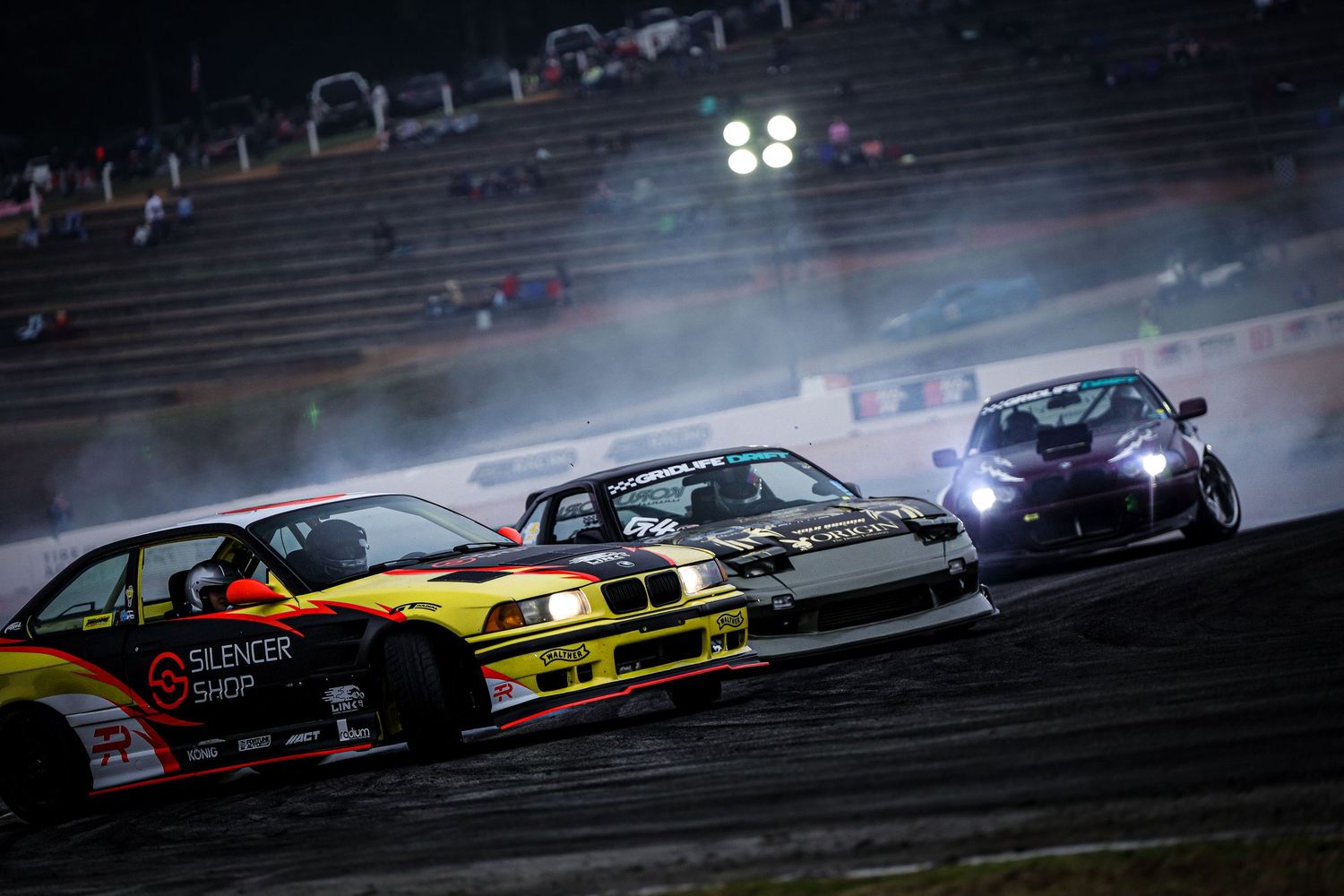
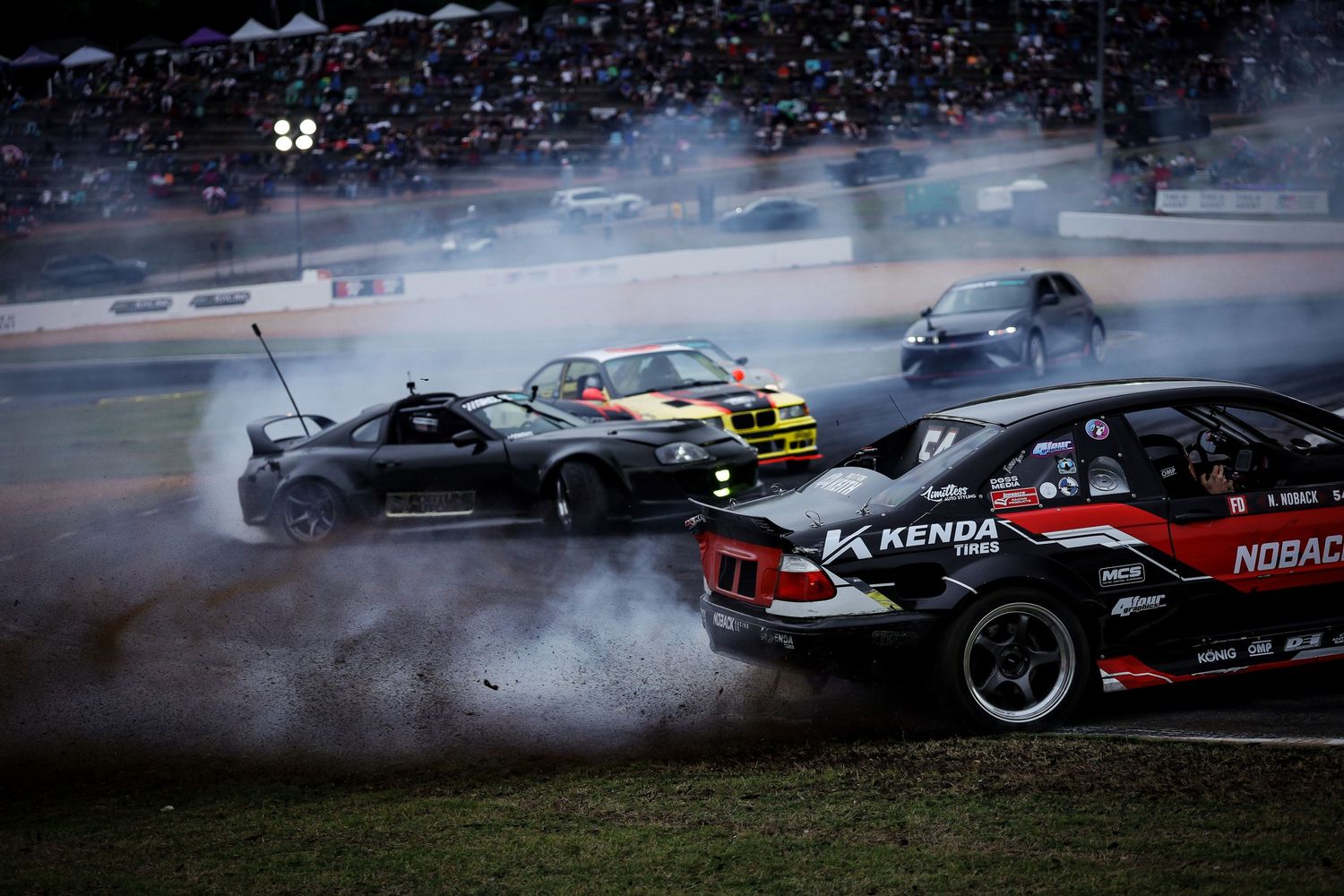
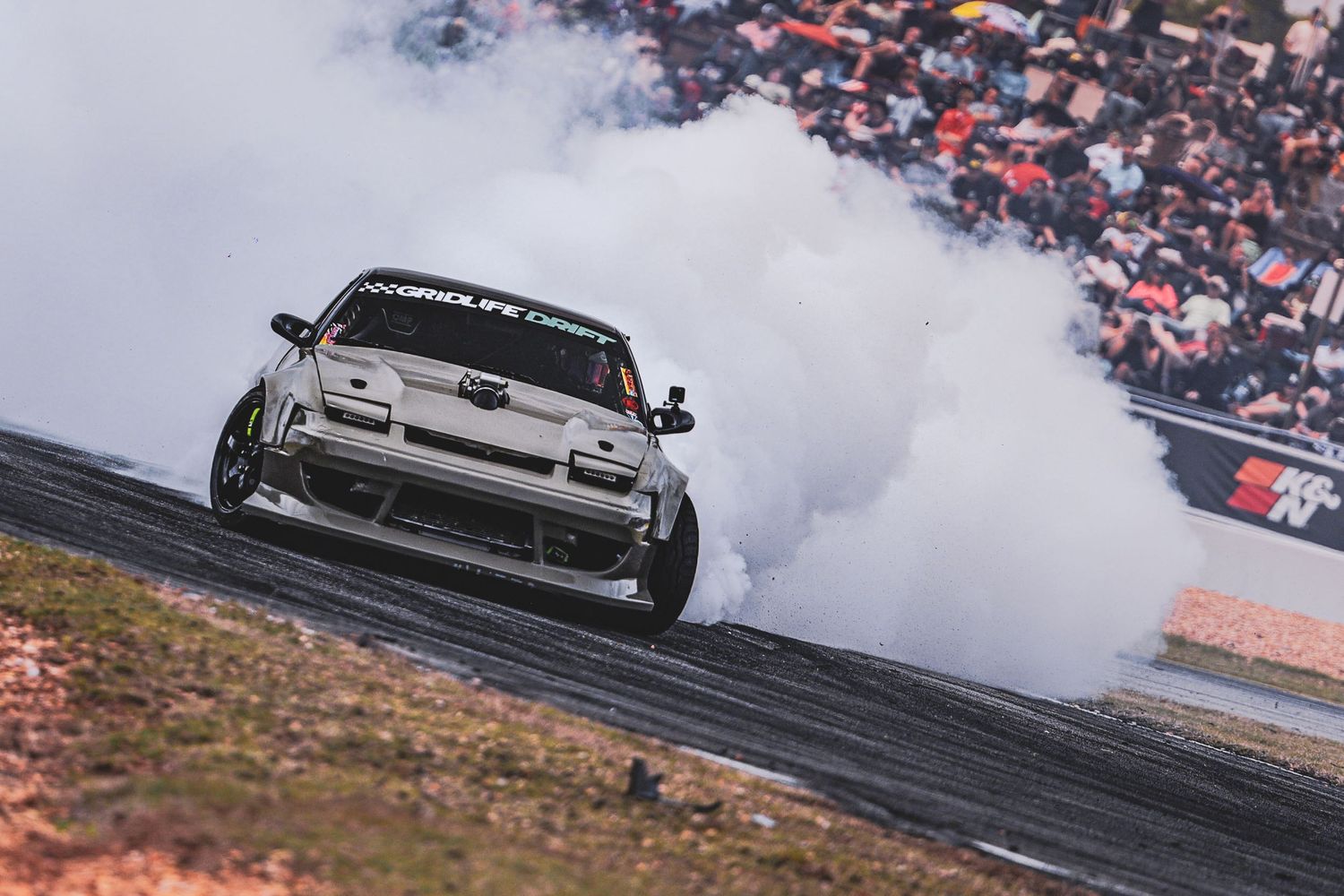
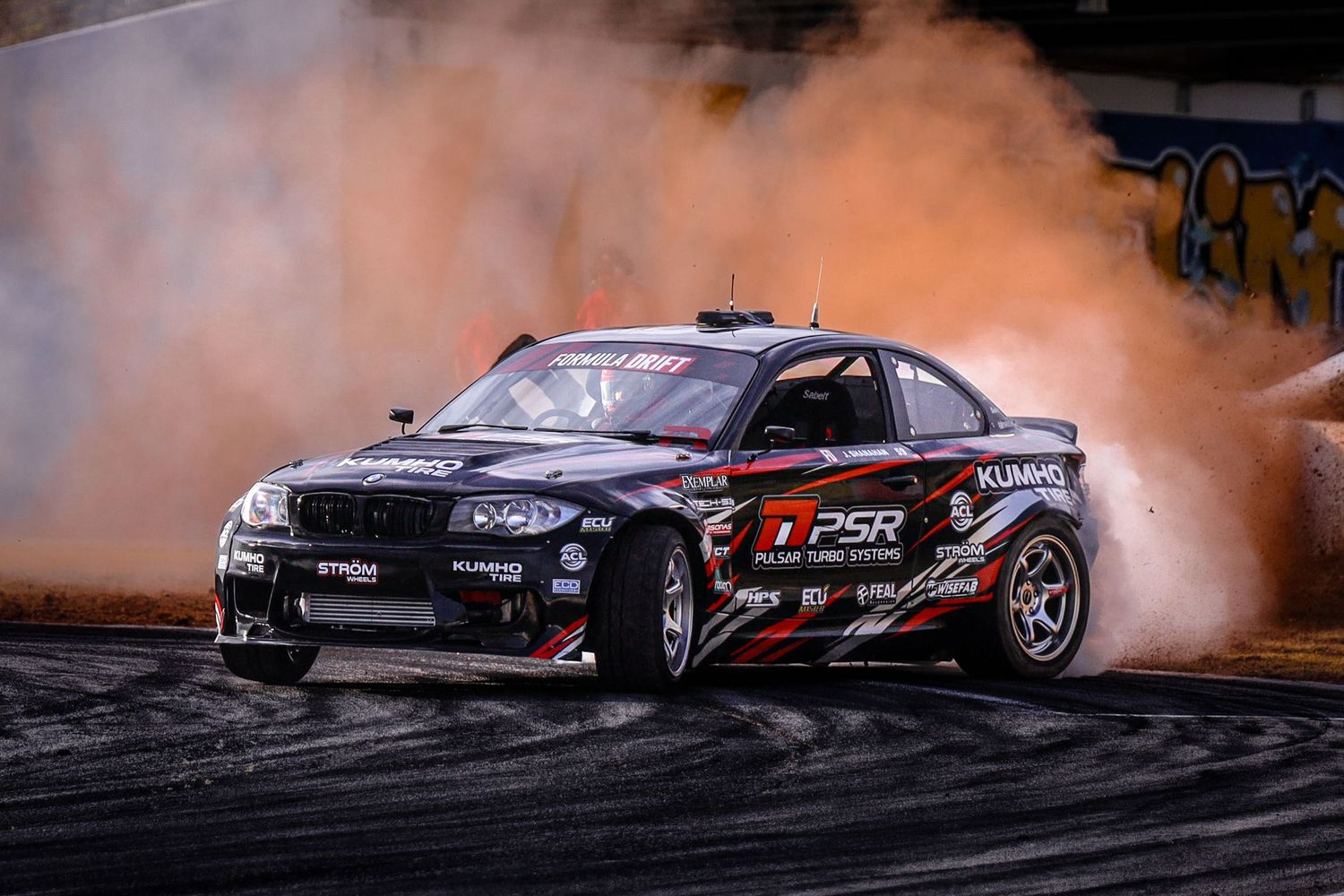
On one side was the spectacle of Formula Drift — high-horsepower cars, violent transitions, smoke pouring from rear tires, and drivers throwing themselves door-to-door through one of the most iconic drift venues in the country.
On the other side was Gridlife bringing its own identity: time attack, wheel-to-wheel racing, grassroots energy, approachable paddocks, and the kind of builds that stop you mid-conversation because something about them catches your eye.
The drift cars looked like machines designed purely for chaos. Wide bodies, exposed aero, aggressive liveries, deep wheels, side-exit exhausts, and engine bays packed with more purpose than decoration. They existed to make noise, create smoke, and pull everyone’s attention toward the track.
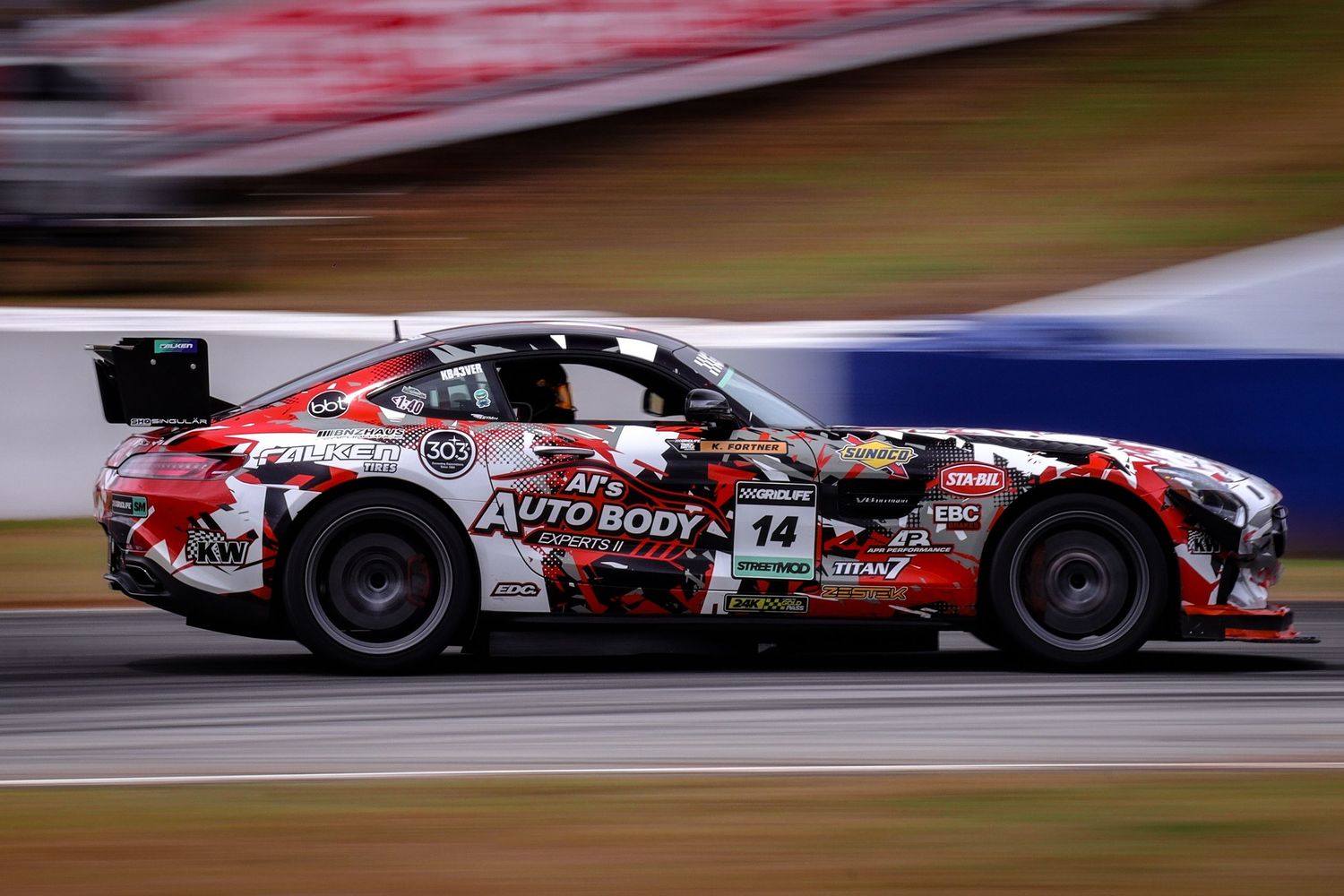
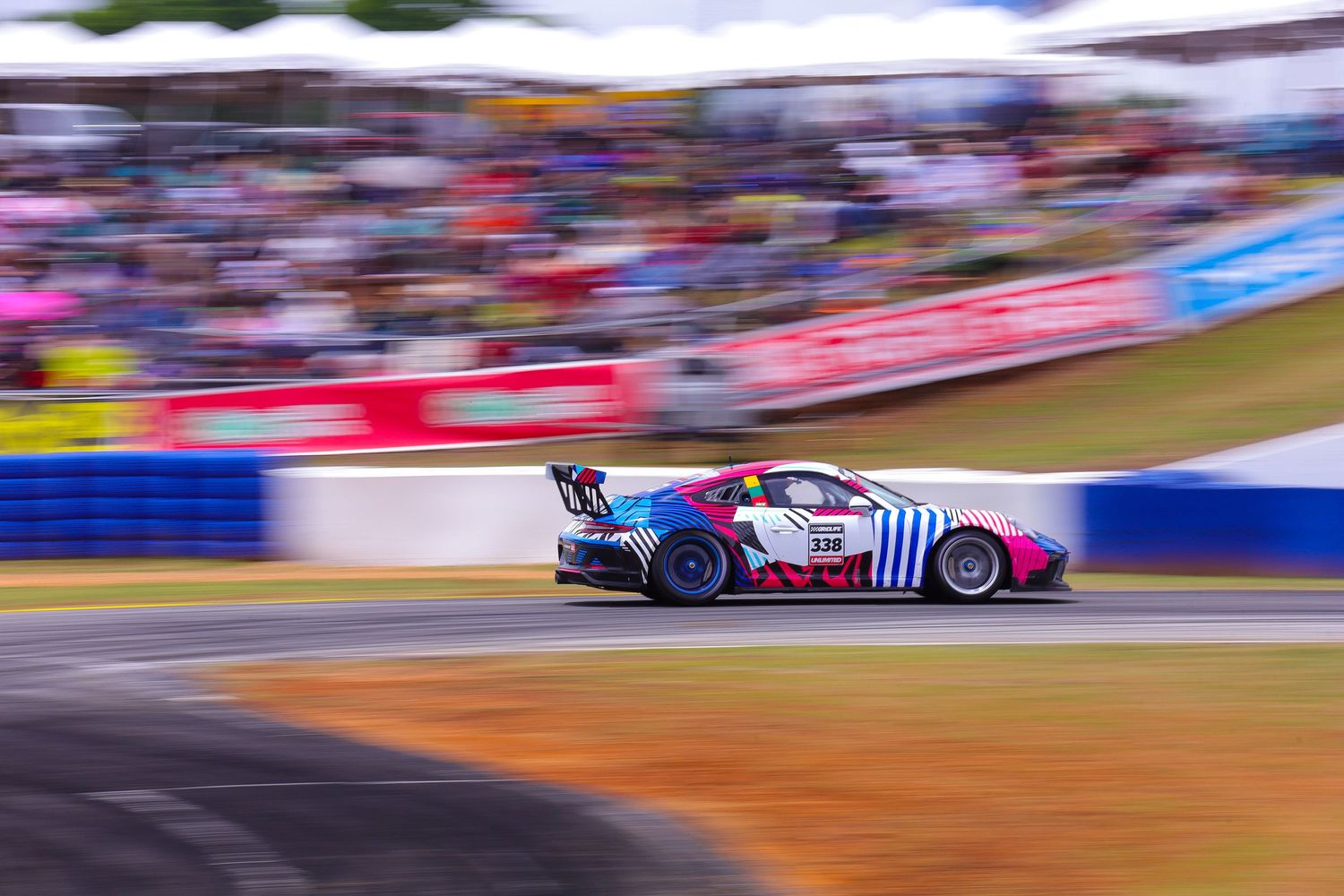
The Gridlife cars carried a different kind of beauty — one I personally connect with more. The time attack and touring cars had that unmistakable function-first appearance. Splitters scraped the ground, wings stood tall in clean air, brake dust coated the wheels, and every panel looked like it had earned its place through use rather than presentation.
Some cars looked polished and refined. Others looked patched together in the best possible way. That contrast became part of the appeal. You could see the late nights in them. You could see the trial and error. You could see people chasing tenths of a second even while the car fought them the entire way.
As a photographer, Road Atlanta is almost overwhelming in the best way possible — similar to the feeling I get shooting at Road America. Everywhere you look, there is a frame waiting to happen. Cars diving downhill, smoke hanging through the trees, sunlight cutting through haze — every scene naturally builds layers of motion, atmosphere, and emotion.
It is the kind of track that does not force the story onto you. You just have to be ready when it reveals itself.
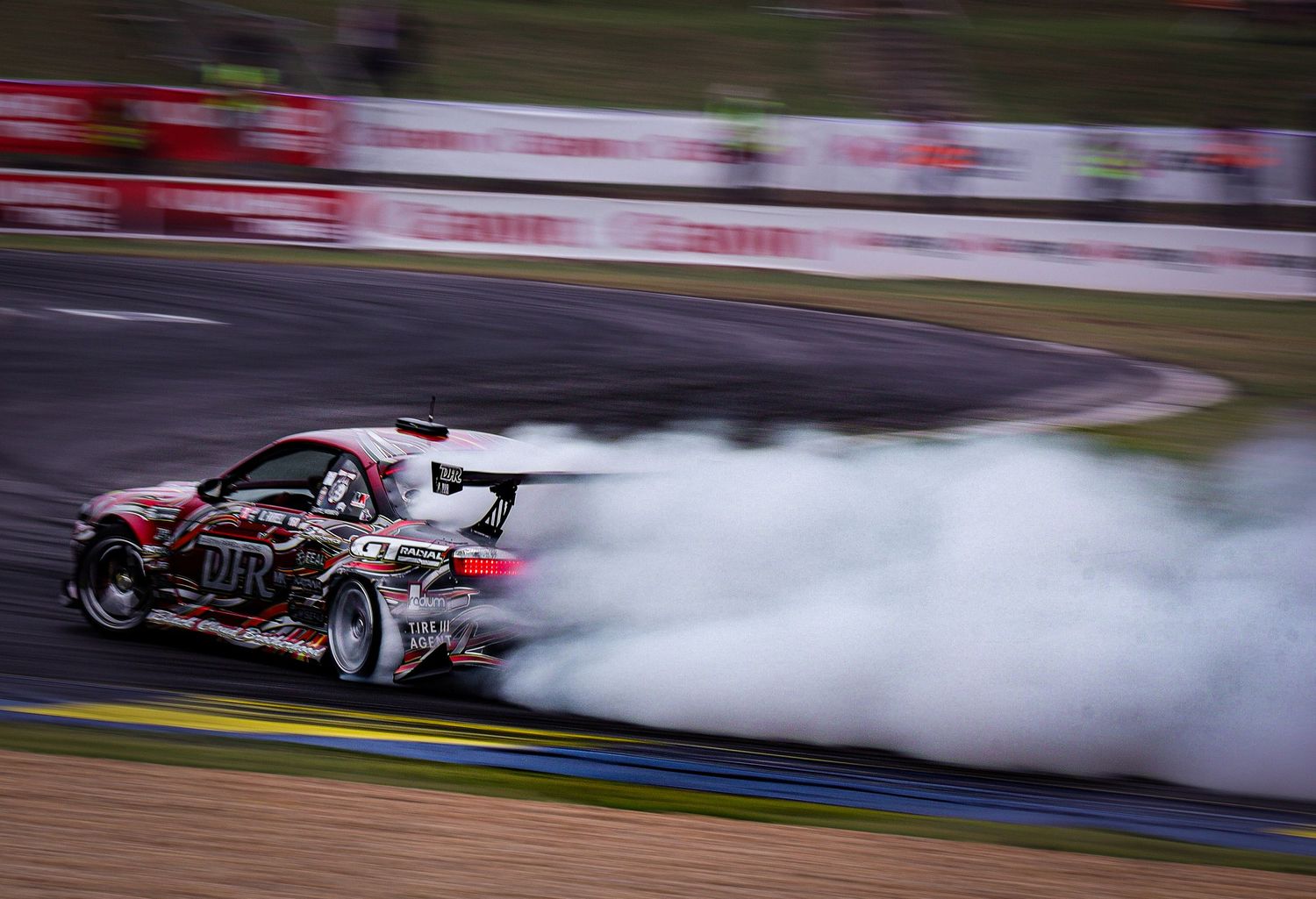
The drift sessions carried that controlled-chaos energy that makes drifting so addictive to watch in person. On video, drifting looks impressive. In person, it feels physical.
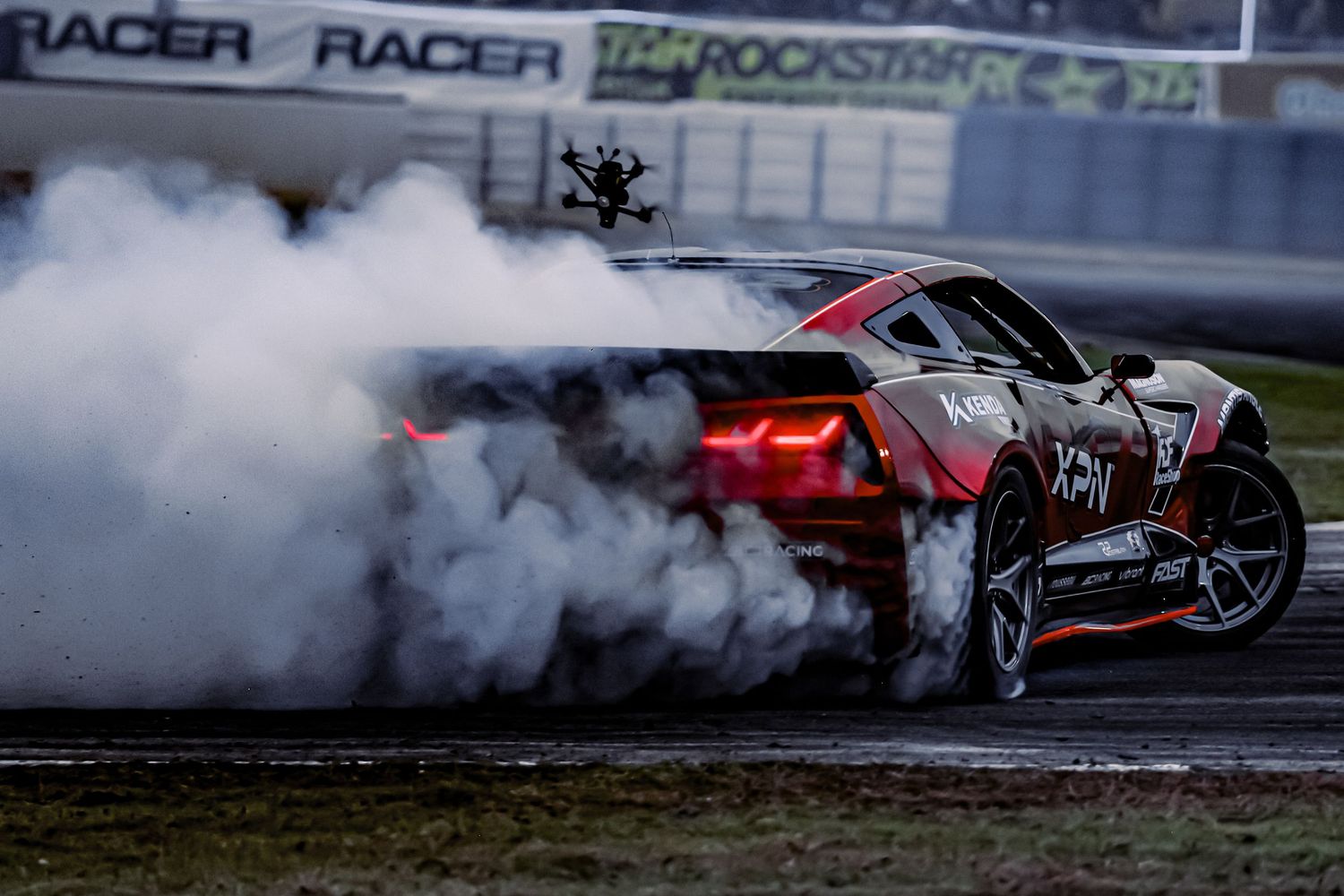
Rev limiters crack through the hills. Tires scream at their limit. Smoke rolls across the track and softens everything behind it. For a few seconds, the cars disappear into their own violence before snapping back into view — still sideways, still committed, still chasing the next clipping point.
At night, the atmosphere changed completely.
Road Atlanta under the lights feels cinematic. The cars looked more aggressive, the smoke hung heavier in the air, and headlights sliced through the haze like spotlights. The circuit stopped feeling like a racetrack and started feeling like a stage.
What stood out most throughout the weekend was how natural the collaboration felt. Formula Drift brought the spectacle, while Gridlife brought the culture. Together, with Road Atlanta as the backdrop, the event felt young, loud, welcoming, and alive.
From a media perspective, having Gridlife credentials allowed me to work closer during Gridlife sessions and move more intentionally throughout approved media areas. That extra freedom mattered. It gave me the opportunity to capture some of the strongest work I have created so far in my photography career.
I could place the cars inside the environment they were built for instead of simply documenting them from afar.
At the same time, not everything went perfectly.
My Gridlife media credentials did not apply during Formula Drift sessions, which meant I was limited to spectator-accessible areas alongside everyone else. No special access. No dedicated drift media zones. No ideal shooting positions.
But honestly, that limitation forced me to become more creative.
Photographing Formula Drift without media access meant relying less on positioning and more on timing, patience, observation, and instinct. I had to study where drivers initiated, where smoke would build, and where the light would fall before the cars even arrived.
Instead of waiting for access to create opportunities, I had to find frames hidden inside the limitations.
Ironically, I walked away with some of my favorite drifting shots from the entire weekend.
That is one of the things I love most about photography. Access helps, but it is never the full answer. A credential can place you in a better location, but it cannot teach you how to see.
The Gridlife racing sessions offered an entirely different challenge compared to drifting. Instead of smoke and angle, the focus became speed, braking zones, curbing, compression, and commitment. The cars carried a raw honesty to them that I always appreciate.
A clean build is impressive, but a car that genuinely looks used tells a better story.
You can see the stress in the bodywork, the heat radiating from the brakes, and the urgency throughout the paddock. Gridlife cars sit in that perfect space between polish and punishment. Some looked professionally assembled, while others looked like they were built with every spare dollar, every late night, and every ounce of stubbornness their owners had left.
And honestly, that is what made the entire weekend memorable for me.
Not just the access. Not just the racing. Not just the drifting.
It was the reminder that motorsports — and photography itself — are at their best when they feel human. Imperfect cars, imperfect conditions, changing light, missed shots, unexpected frames, exhausted teams, smoke-filled sunsets, and moments that only exist for a fraction of a second before disappearing again.
Gridlife Special Stage at Road Atlanta felt less like an event and more like a living environment. Loud, imperfect, emotional, and constantly moving.
As the weekend came to an end and I made my way back to Michigan, I couldn’t help but reflect on the experience and feel incredibly grateful for the opportunity to immerse myself in a completely different atmosphere from my home track—one that left such an impression on me that I know I’ll be returning.
From the people and the energy to the track itself, everything about the weekend reminded me why I love this sport so much. Stepping outside of my usual environment gave me a new perspective, pushed me in the best ways, and created memories I’ll carry with me long after the trip ended. Experiences like this are what make the long drives, late nights, and hard work completely worth it.