The First Time at Empire Hill Climb
Everyone knows of a special place in Michigan. Maybe it's somewhere you grew up visiting, a road you always take when you need to clear your head, or a small town that seems to hold onto a piece of Michigan that time forgot. For me, I found one of those places surrounded by roaring engines and a stretch of road that has been challenging drivers for generations.
Tucked away in the small lakeside community of Empire, Michigan, sits a piece of motorsports history that is easy to miss if you don't know where to look. Every year, Wilco Road transforms from an ordinary northern Michigan road into a hill climb course where drivers bring everything from vintage race cars and open-wheel machines to modern performance builds and purpose-built competition cars. This was my first time experiencing Empire Hill Climb, and more importantly, my first time experiencing it from behind the lens as media. I had heard about Empire through another Photographer acquaintance, but hearing about an event and actually standing there with a camera are two completely different experiences. Once the engines started coming to life and cars began attacking the hill, it didn't take long to understand why this event has remained such an important part of Michigan's grassroots motorsports culture.
History Behind The Hill
The History behind Empire Hill Climb is what makes the event even more interesting. The original hill climb dates all the way back to 1964, when Wilco Road first became a temporary stage for competitors willing to put their cars and driving abilities to the test. The concept was simple, but that simplicity was part of the appeal. There was a starting line, a hill, a finish line, and a clock waiting at the top. Competitors weren't racing side-by-side like you would see at a traditional road course. Instead, they were racing against time, attacking the winding road individually and trying to put together the quickest run possible. Over the years, the hill saw an incredible variety of machinery, including Austin-Healeys, Jaguar E-Types, Triumphs, Corvettes, Porsches, Formula cars, American muscle and even Ferraris. It became more than just a race; it became a gathering that brought racers, spectators and the surrounding community together around something that felt uniquely Michigan.
As the years went on, Empire Hill Climb became a recognizable part of the area's summer calendar, attracting competitors from different parts of the region and bringing a tremendous amount of energy into the small community. Eventually, however, the original era of the event came to an end after the 1980 running. For more than three decades, the hill sat without the sound of race engines climbing toward the top. It would have been easy to assume that the story had ended there, but in 2014, Empire Hill Climb returned. That revival brought the event back to Wilco Road and started a new chapter in its history, one that has continued to grow and evolve into what it is today. The cars may be different, the technology may be different and an entirely new generation of drivers may be behind the wheel, but the basic challenge has remained the same: take the hill as quickly as you possibly can.
The Experience
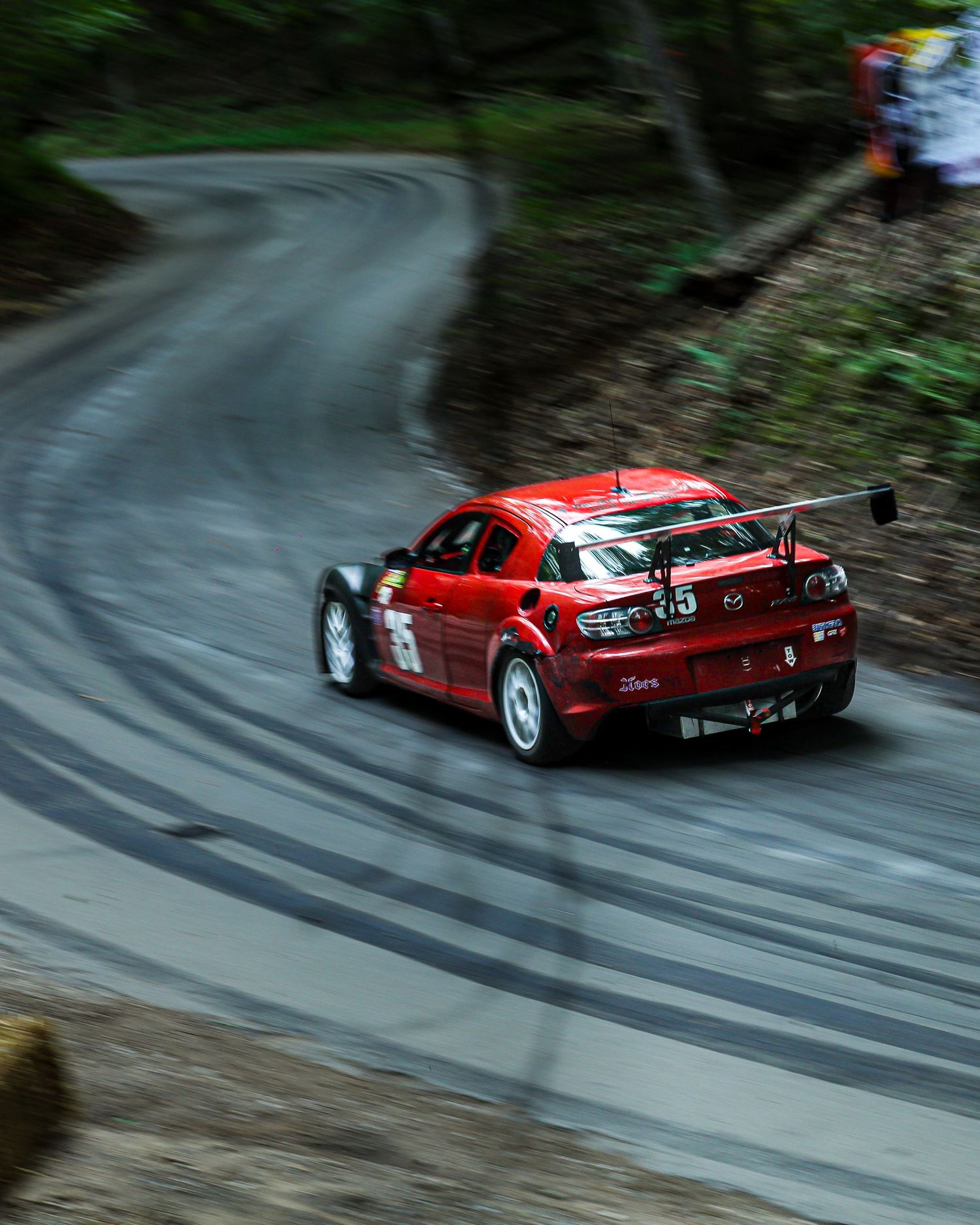
Walking into Empire for the first time as a media photographer, I wasn't completely sure what to expect. Most of the motorsports events I've photographed have taken place at established race tracks, where everything is laid out around a permanent circuit with grandstands, paddocks, pit lanes and designated shooting areas. Empire feels completely different. Instead of a traditional race facility, the road itself becomes the racetrack, and the surrounding Michigan landscape becomes part of the experience. Wilco Road winds its way through the area, creating a series of corners and elevation changes that give photographers a lot to work with. From my perspective, it meant spending the day studying the course, watching how the cars approached different sections and figuring out where I could position myself to tell the story of the event rather than simply documenting cars as they passed by.
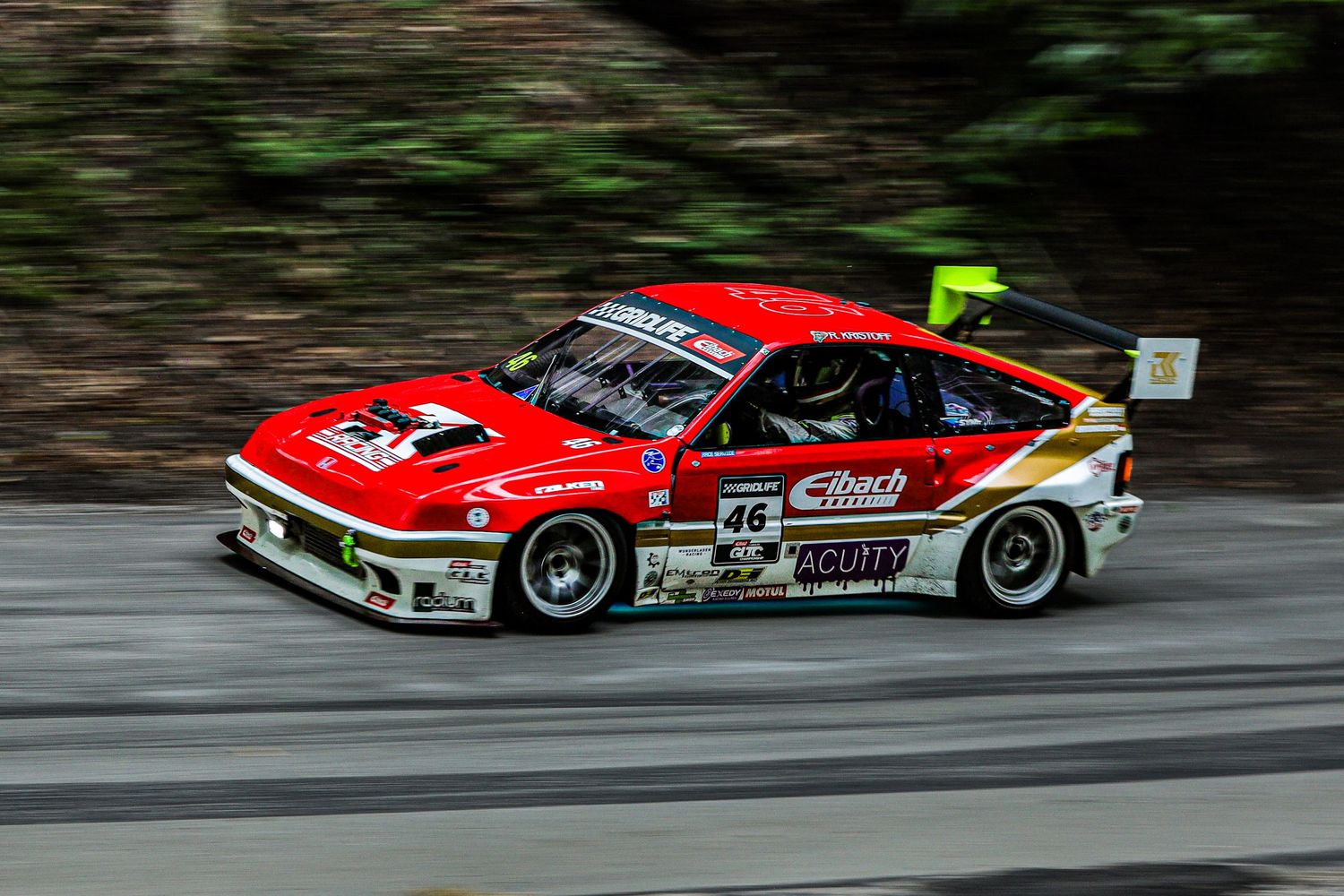
Once the runs started getting underway, the competitive side of Empire really began to show itself. Every car that came through was fighting the clock, and watching those times continue to drop throughout the day added another layer to the experience. Some of the closest battles came from drivers who kept improving their times run after run, showing just how much of a difference a slightly better line or a little more confidence could make. In Class 2, Evan Weider pushed his #531 1995 Honda Civic down to a 20.910-second best time, edging out Ryan Kristoff's #46 1987 Honda CRX at 21.178-seconds. Class 1 saw Mark Jarvis take the top spot in his 1994 Saturn SL2 with a 23.333, while Anthony Grace led the Vintage class in his 1970 Chevrolet Camaro with a 20.457. Even the Vintage class was moving at a pace that made it hard to remember some of these cars were built decades ago.
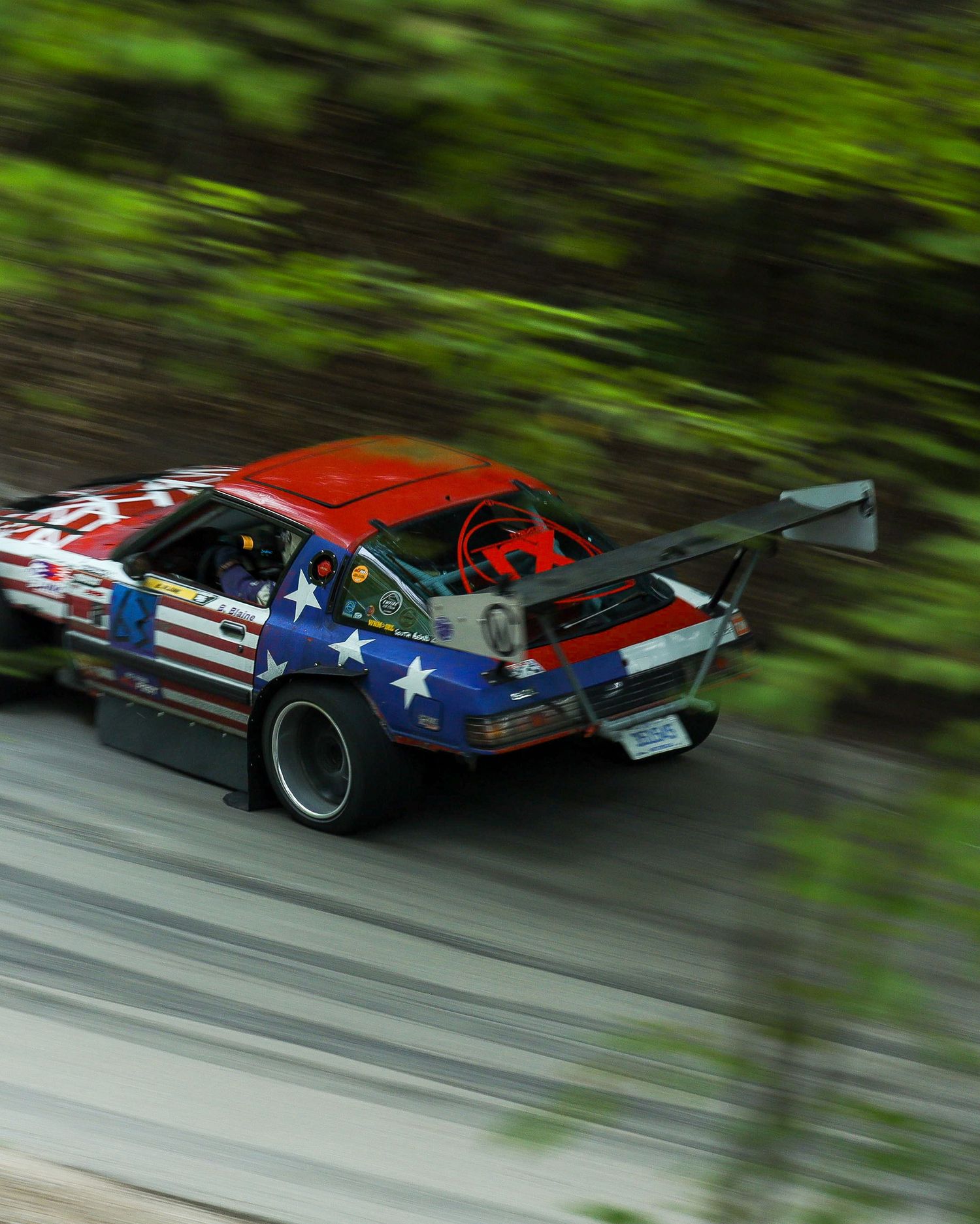
But the biggest story of the day was happening at the front of the field. Brian Blaine, driving the #63 1985 Mazda RX-7, continued his incredible run at Empire by taking the fastest time of the 2026 event and earning King of the Hill with a 19.720-second run. Right behind him was Keith Hagen in the #461 2001 Subaru Impreza with a 20.080. Seeing the times come together while you're standing there photographing the cars gives you a different appreciation for just how competitive this hill climb can be. You're not simply watching the cars make passes; you're watching drivers chase tenths, hundredths and sometimes thousandths of a second on a road that gives them very little room for error.
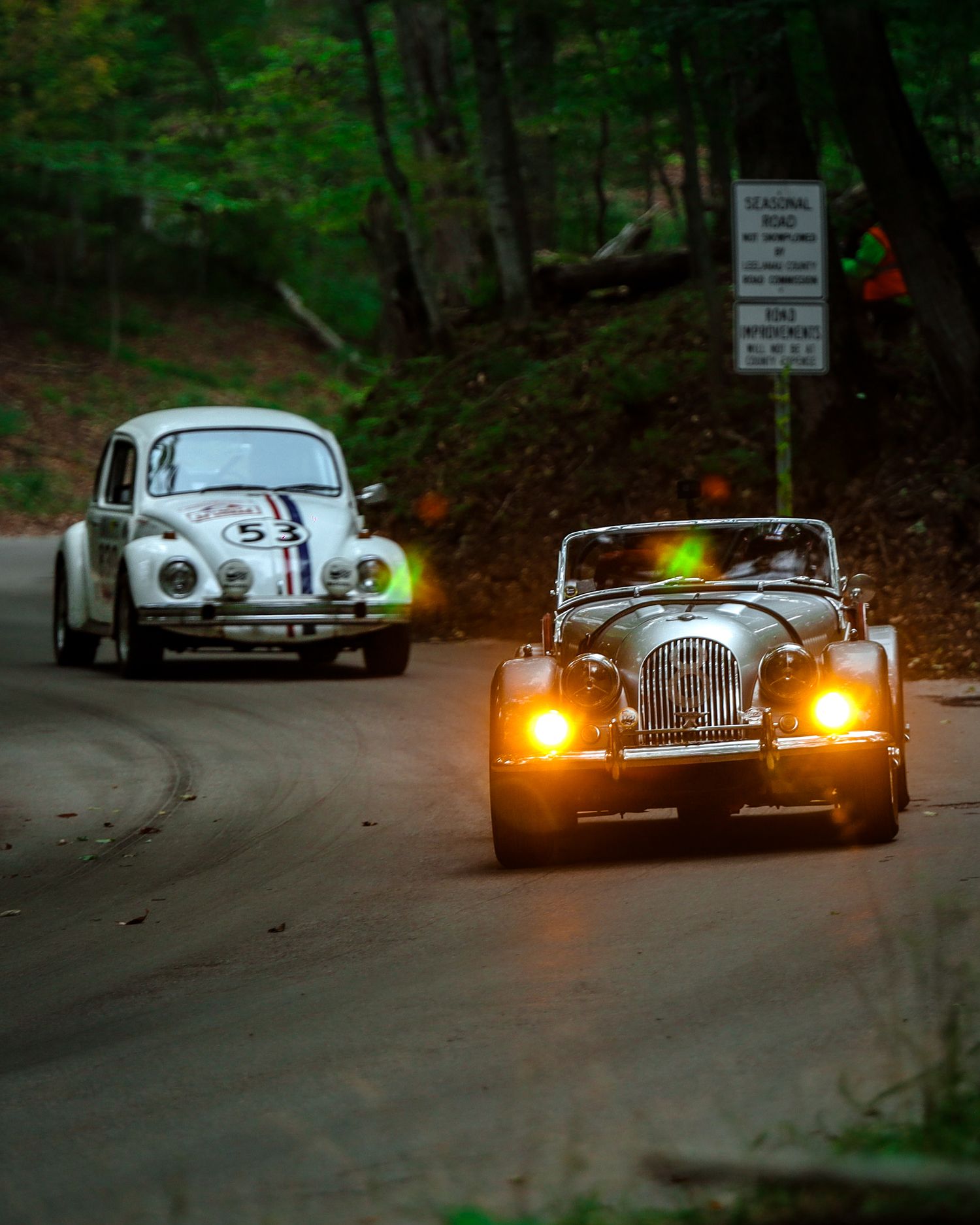
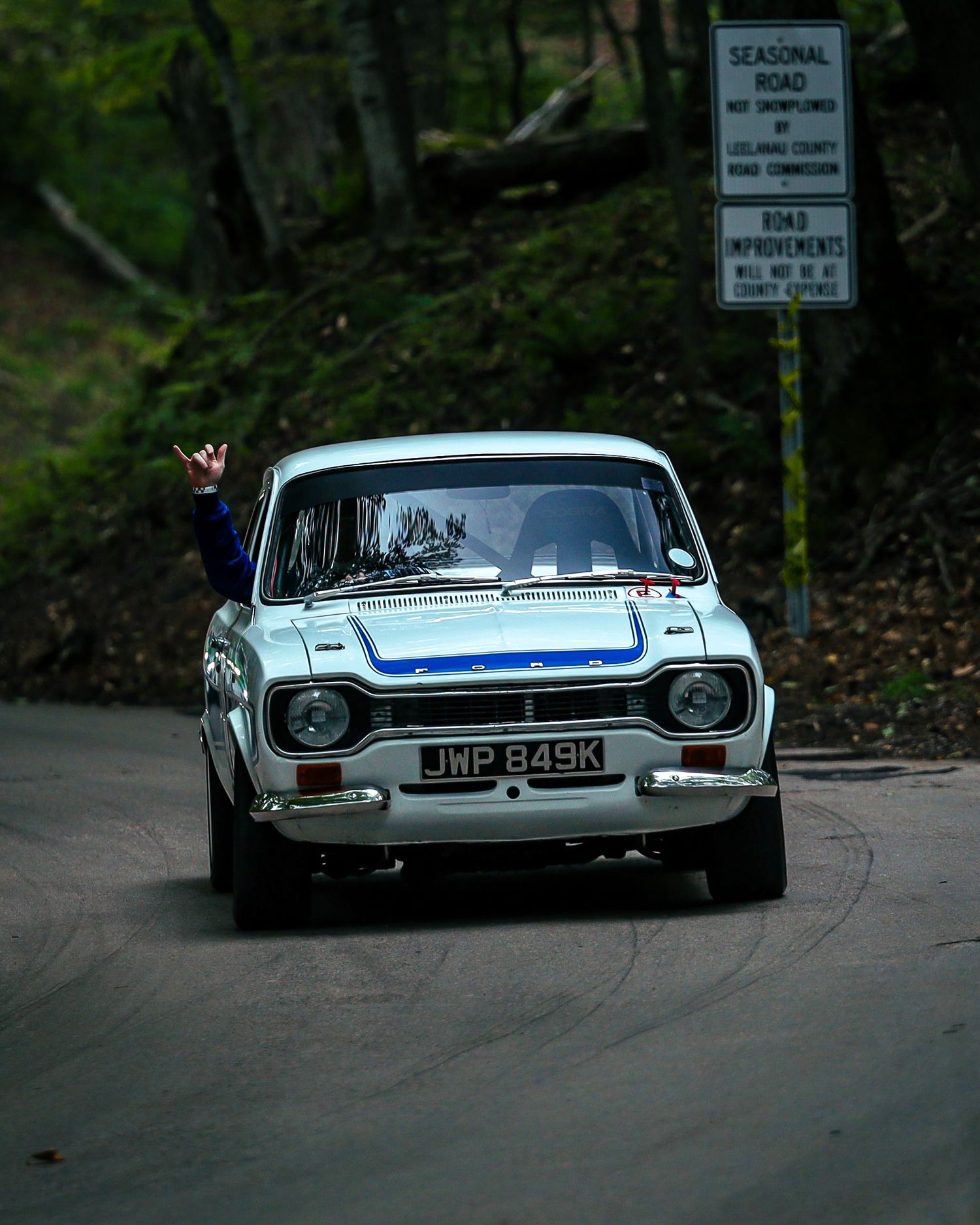
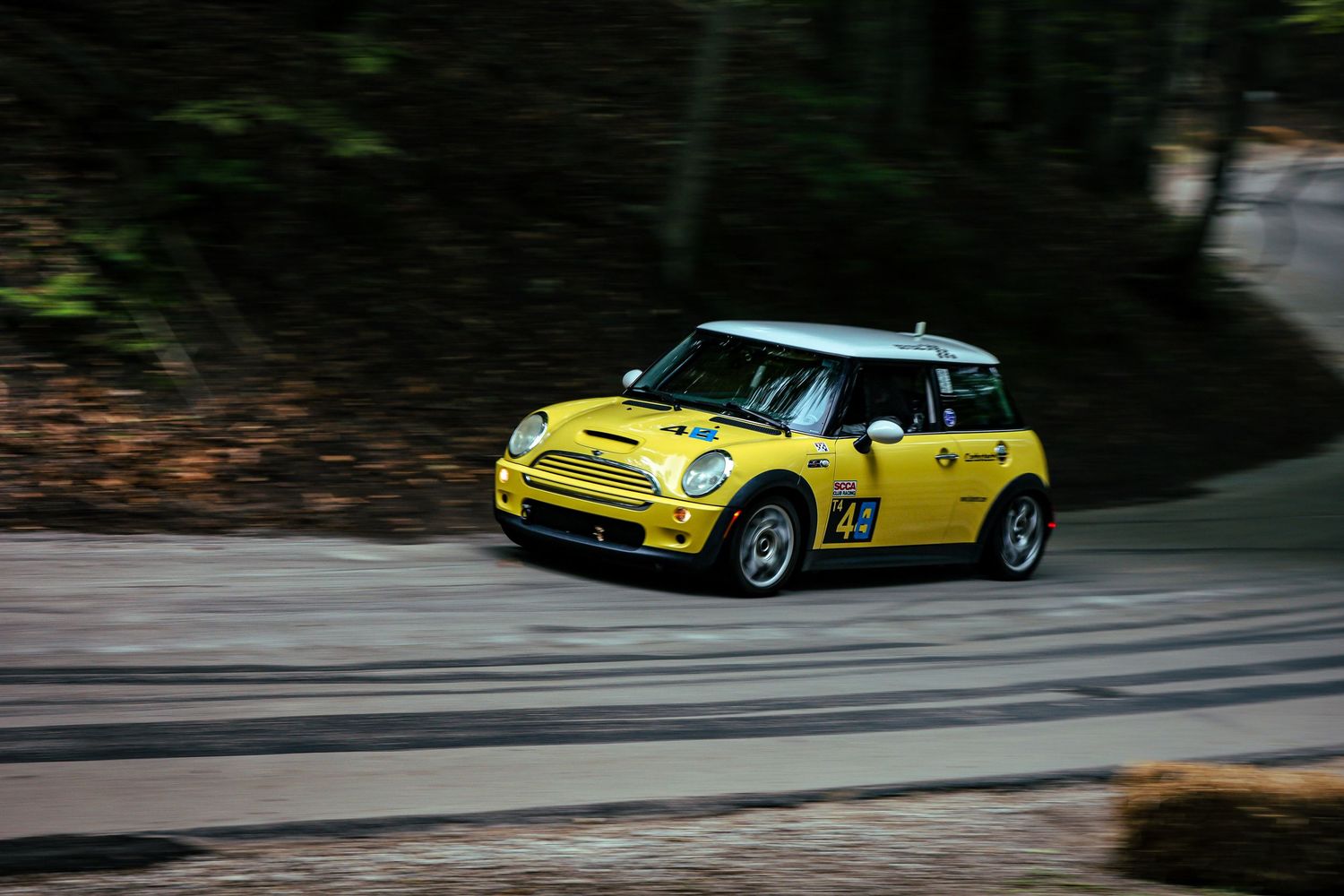
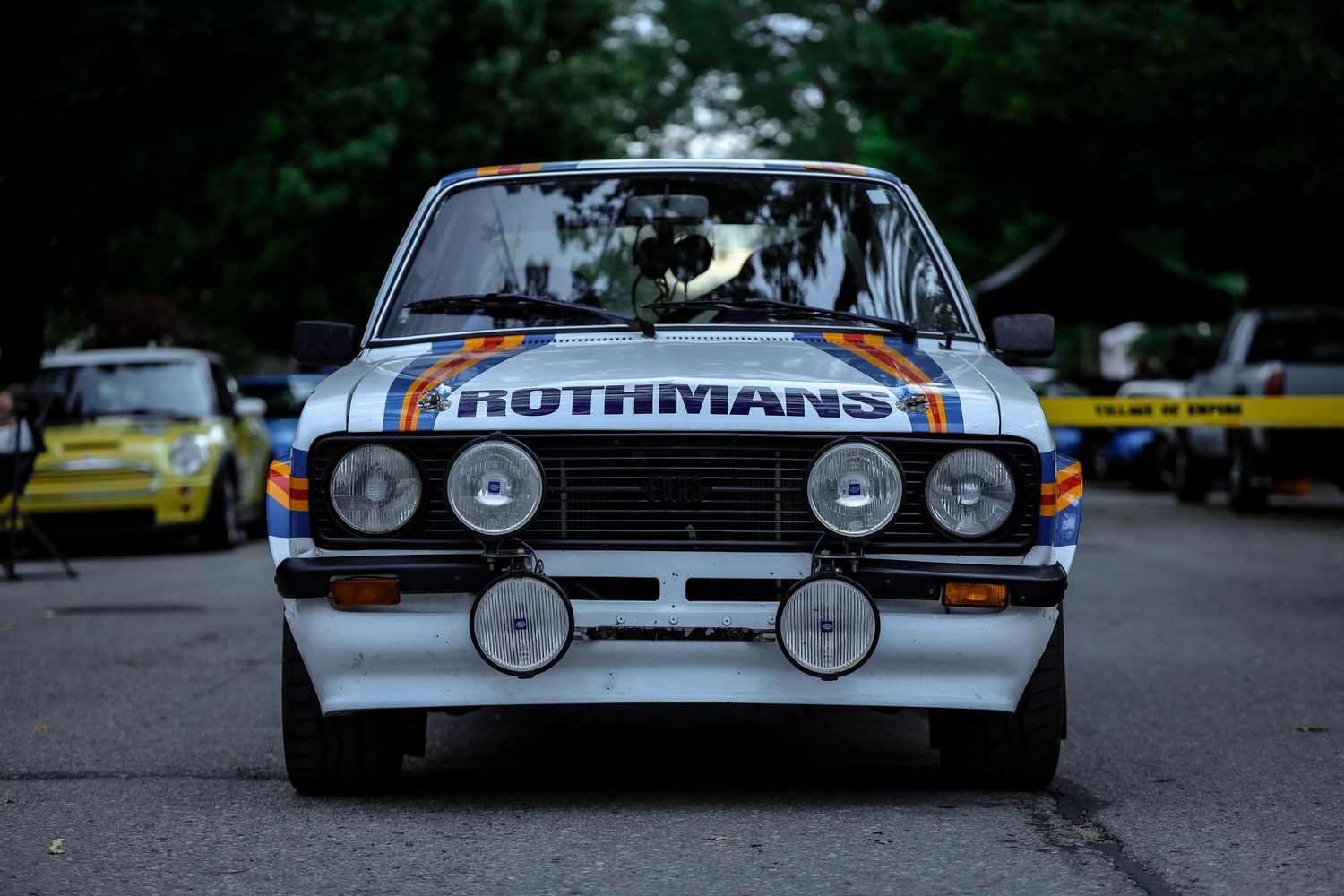
The variety of cars was also something I found very interesting, considering seeing some builds I never thought I would see at an event like this. One moment I could be photographing a 1985 Mazda RX-7 attacking the hill at a pace fast enough to take the overall win, and the next I'm watching a 1977 Rolls-Royce Silver Wraith climb the same road in the Vintage class. There were Honda Civics, CRX's, Subarus, BMW's, Porsche's, Mustangs, a Pontiac Fiero, a Volkswagen Golf R, a Ford Fiesta prototype and plenty of other machines that made the event feel like a celebration of everything that makes grassroots motorsports interesting. Even the Drift class brought something completely different, with Adam Buchanan taking the class in his 2003 Nissan 350Z with a 24.159-second best time.
As the day continued, I found myself getting more comfortable with the course and more confident in what I wanted from the photographs. The first few runs were about learning. Where were the cars going to appear? How quickly would they reach each corner? What shutter speed would give me the movement I wanted without sacrificing too much detail? Where was the light falling? Which sections of the hill had the strongest backgrounds? Those questions are constantly running through my head when I'm shooting motorsports, and an event like Empire gives you a lot of variables to work with. Every run becomes another opportunity to adjust, experiment and try something different.
Eventually, though, you stop thinking so much about the settings and start getting lost in the moment. You hear an engine coming up the hill, you find the car through the viewfinder, track it through the corner and wait for that split second when everything lines up. The shutter fires, the car disappears and you're already thinking about the next one. That's the rhythm of motorsports photography, and it's one of the reasons I keep coming back to it. You're constantly moving, constantly watching and constantly trying to anticipate something that is only going to happen once.
And somewhere in the middle of all that, I started to understand what makes Empire Hill Climb so special. The results matter, especially when you're watching someone like Brian Blaine put down a 19.720-second run to take King of the Hill, but the event is bigger than whoever ends up at the top of the results sheet. It's the driver chasing a better time on the next run, the crew working on a car between attempts, the spectators lining the hill, the volunteers keeping everything moving and the photographer trying to freeze a fraction of a second that will never happen exactly the same way again. All of those pieces come together to create the experience, and being there for my first time behind the camera allowed me to see all of it from a completely different perspective.