Introduction
The 2026 Detroit Auto Show officially returned, once again reminding everyone why Detroit is the heart of the automotive world. Held at Huntington Place in downtown Detroit, this year’s show brought together some of the biggest names in the industry, showcasing exciting new vehicles, state-of-the-art technology, and hands-on experiences that made the event feel like much more than a traditional car display.
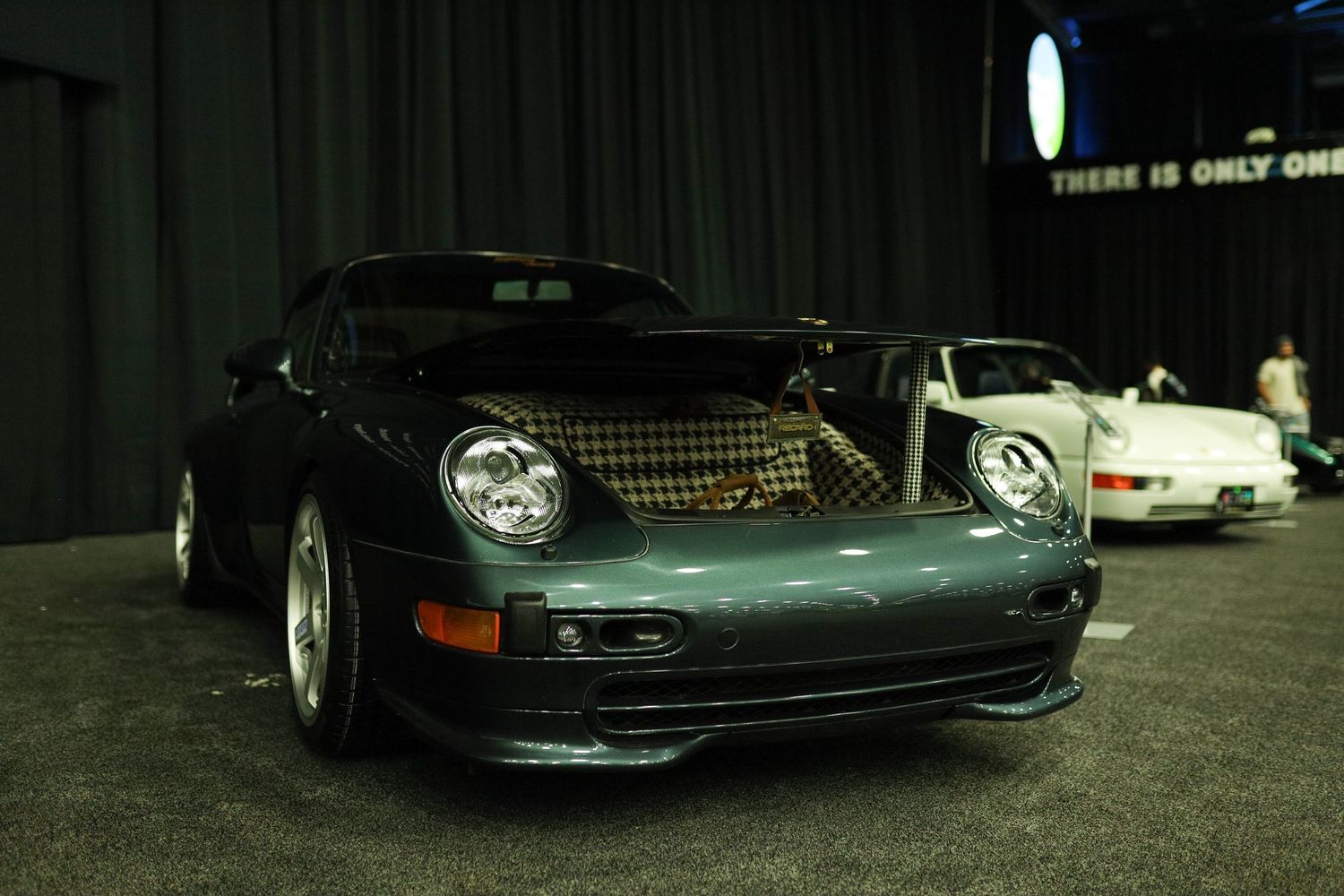
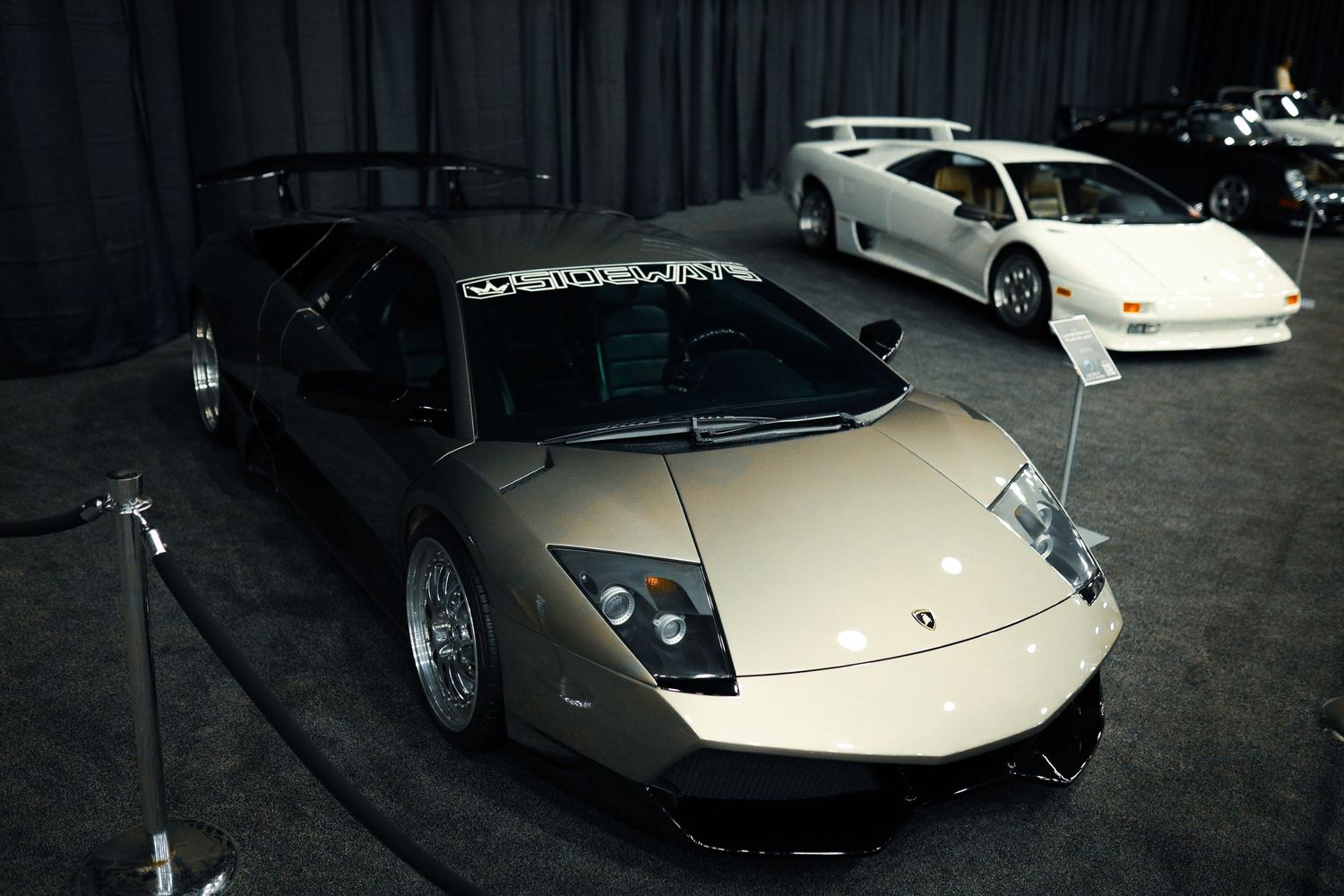
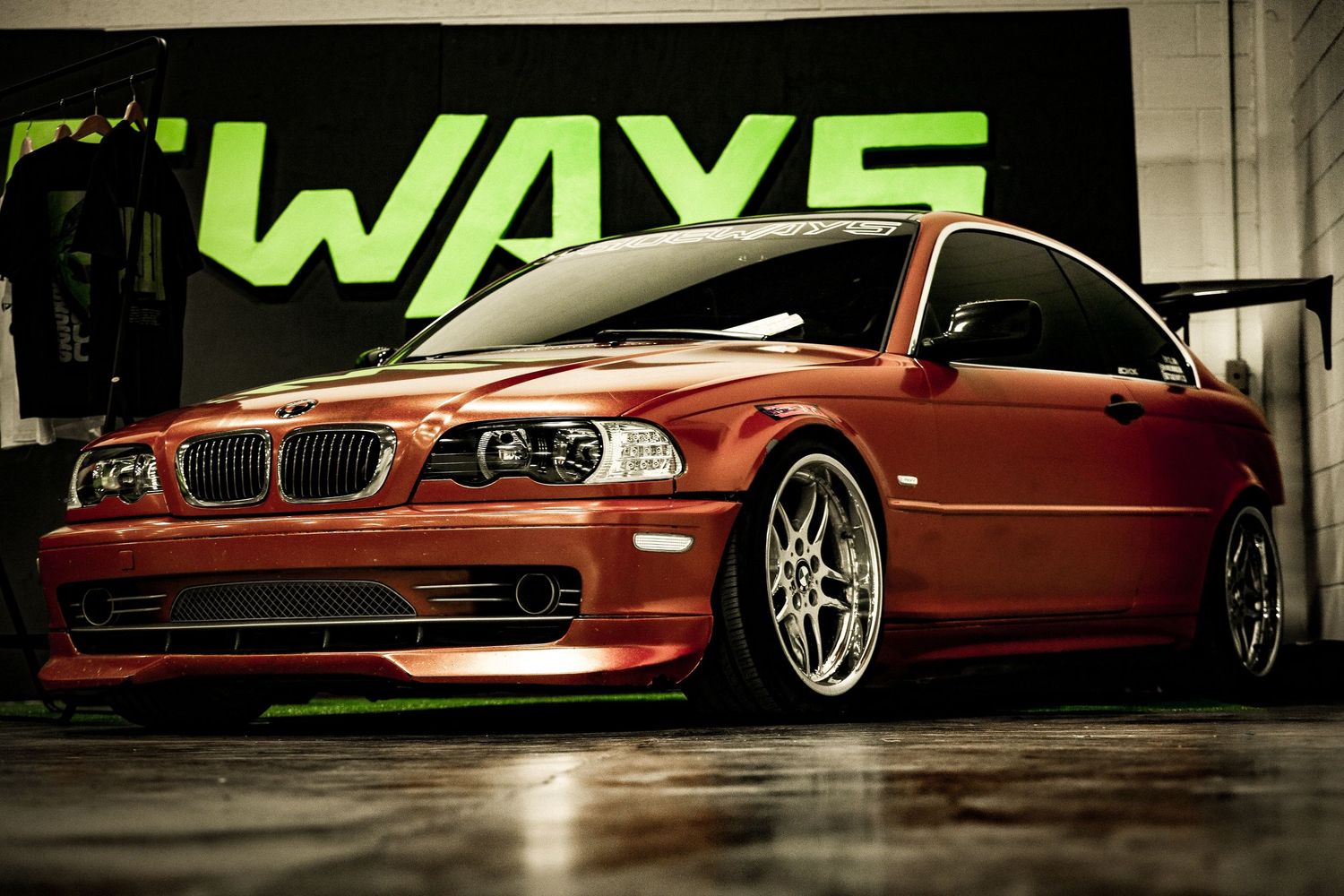
I was astonished by just how many exotic cars were on display—especially considering that this year’s auto show focused less on far-off concepts and more on what drivers can realistically expect to see on the road in the coming years. From electric and hybrid vehicles to updated trucks, SUVs, and performance models, the 2026 show highlighted where—and how—the automotive industry is evolving in practical, everyday ways.
Whether you were there to see the newest vehicle releases, test out upcoming technology, or simply soak in the atmosphere of one of the largest automotive events in North America, the 2026 Detroit Auto Show likely offered something special. It wasn’t just about cars—it was about where driving is headed next.
Official Debuts
There was so much happening at the 2026 Detroit Auto Show that it was difficult to stay focused on just one thing. Instead of listing every automotive manufacturer in attendance, I want to highlight a few of the confirmed new vehicle reveals and official debuts that stood out during the event.
Ford Motor Company
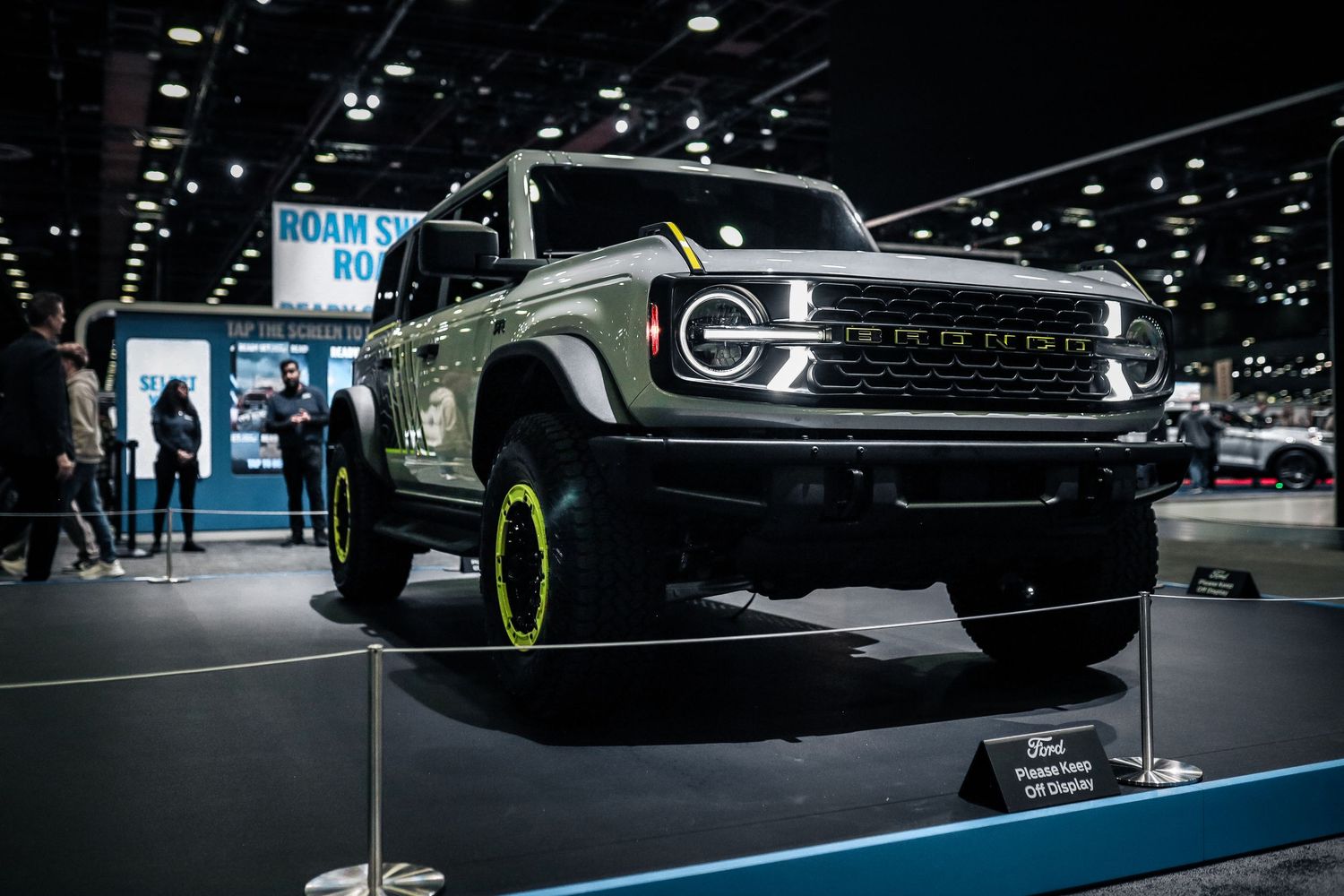
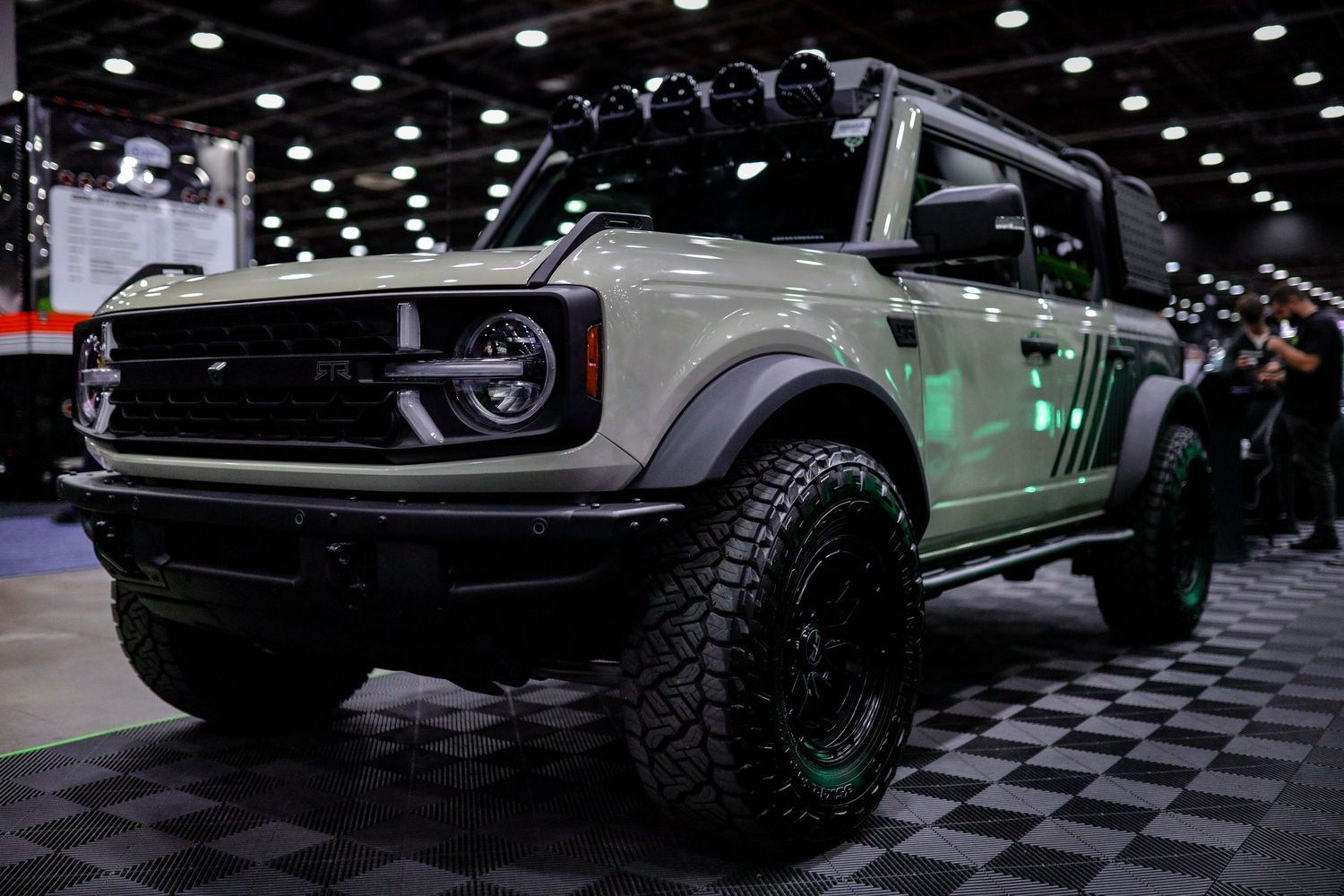
Ford kicked things off in a major way with an official reveal during media and industry days. The spotlight was on the new Ford Bronco RTR, a specialty off-road variant aimed for the 2027 model year. What I didn’t realize until after the show was that Ford was the only brand confirmed to have an official major reveal directly on the show floor. This was a big moment for Ford, allowing them to stand out and align perfectly with the auto show’s press-driven momentum.
While some brands didn’t label their vehicles as “Official Reveals,” several newly updated or recently introduced models still generated strong interest and left a positive impression on attendees.
- Toyota showcased the next-generation, updated RAV4.
- Jeep unveiled the new Jeep Cherokee Hybrid, featuring a refreshed design.
- Chrysler debuted a newly styled Chrysler Pacifica minivan concept aimed at attracting a new market segment.
Although these brands didn’t receive the same world-debut attention as Ford, their presence contributed meaningfully to the overall show experience. Together, these vehicles helped reinforce a sense of optimism around value, reliability, and innovation—qualities the public continues to prioritize.
North American Car, Truck & Utility Awards
Beyond the reveals and debuts, three manufacturers stood out by earning some of the industry’s most respected honors. The North American Car, Truck & Utility of the Year (NACTOY) Awards are judged by an independent panel of approximately 50 automotive journalists from the United States and Canada.
North American Car of the Year
- The Dodge Charger earned recognition for its blend of performance heritage, clean design, four-season capability, and strong appeal as a modern muscle car.
North American Utility Vehicle of the Year
- The Hyundai Palisade was praised for its spacious interior, strong value, dependable build quality, advanced safety features, and the availability of a hybrid powertrain.
North American Truck of the Year
- The Ford Maverick Lobo claimed the Truck of the Year award thanks to its sporty, performance-driven character and compact versatility. Judges highlighted its engaging driving experience compared to other contenders.
Less Flash, More Feel
When attending the Detroit Auto Show, you naturally expect to see plenty of polished and eye-catching vehicles. What might surprise you is just how interactive the experience can be. Beyond the roped-off exotics and high-value displays, Detroit allowed enthusiasts and everyday consumers alike to truly experience these vehicles in motion.
Nine automotive manufacturers offered ride-alongs, track interactions, or hands-on driving experiences. Jeep and Ford led the charge, with Jeep’s iconic indoor off-road course returning and drawing massive crowds. Ford heavily promoted the Bronco with a show-floor obstacle course designed to help consumers visualize how the vehicle handles varied terrain and off-camber challenges.
Detroit has a unique way of revitalizing the automotive community during moments when excitement may feel stale. These high-energy, hands-on experiences felt grounded and authentic—and they continue to be a core reason people keep coming back.
The Concept Corvette
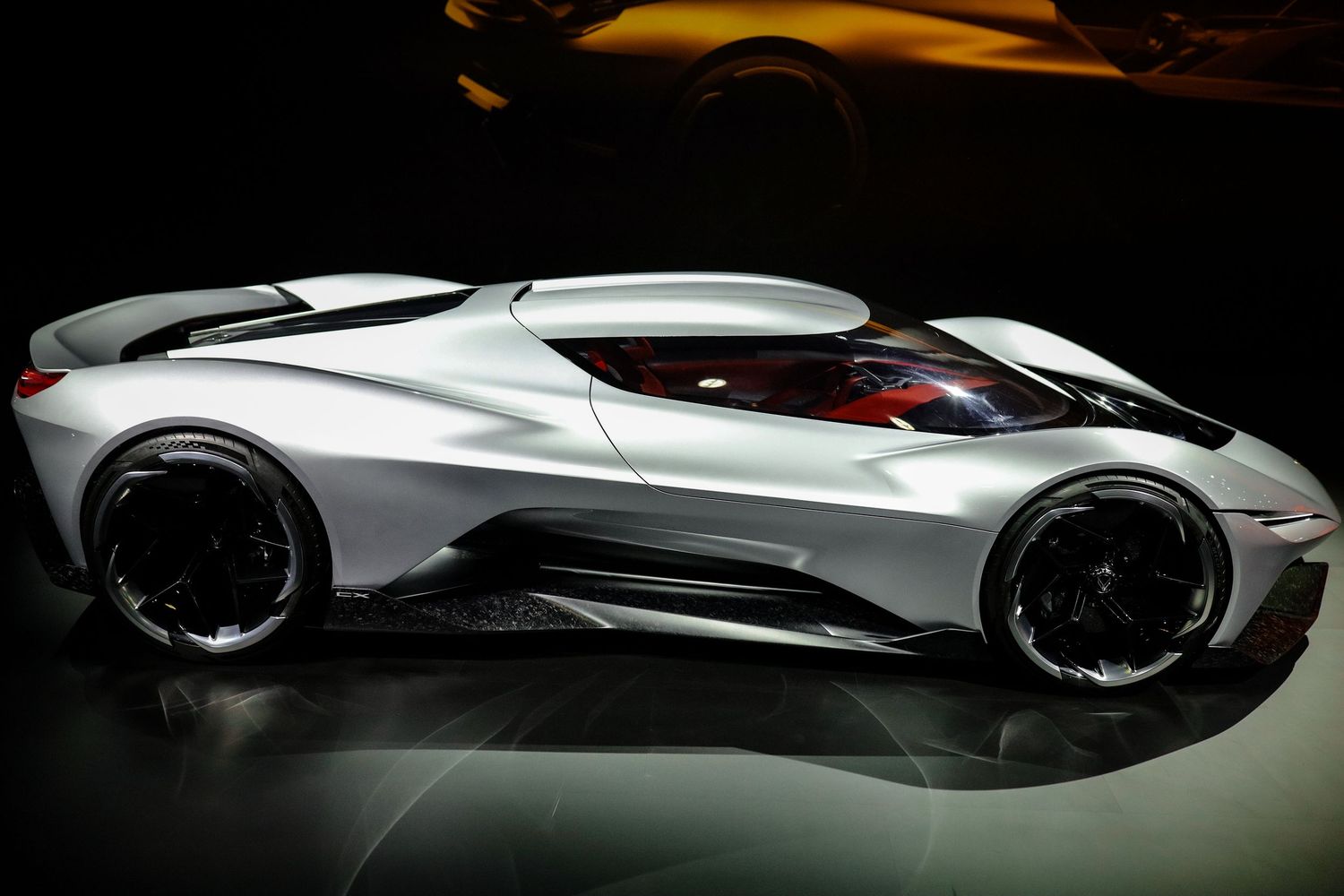
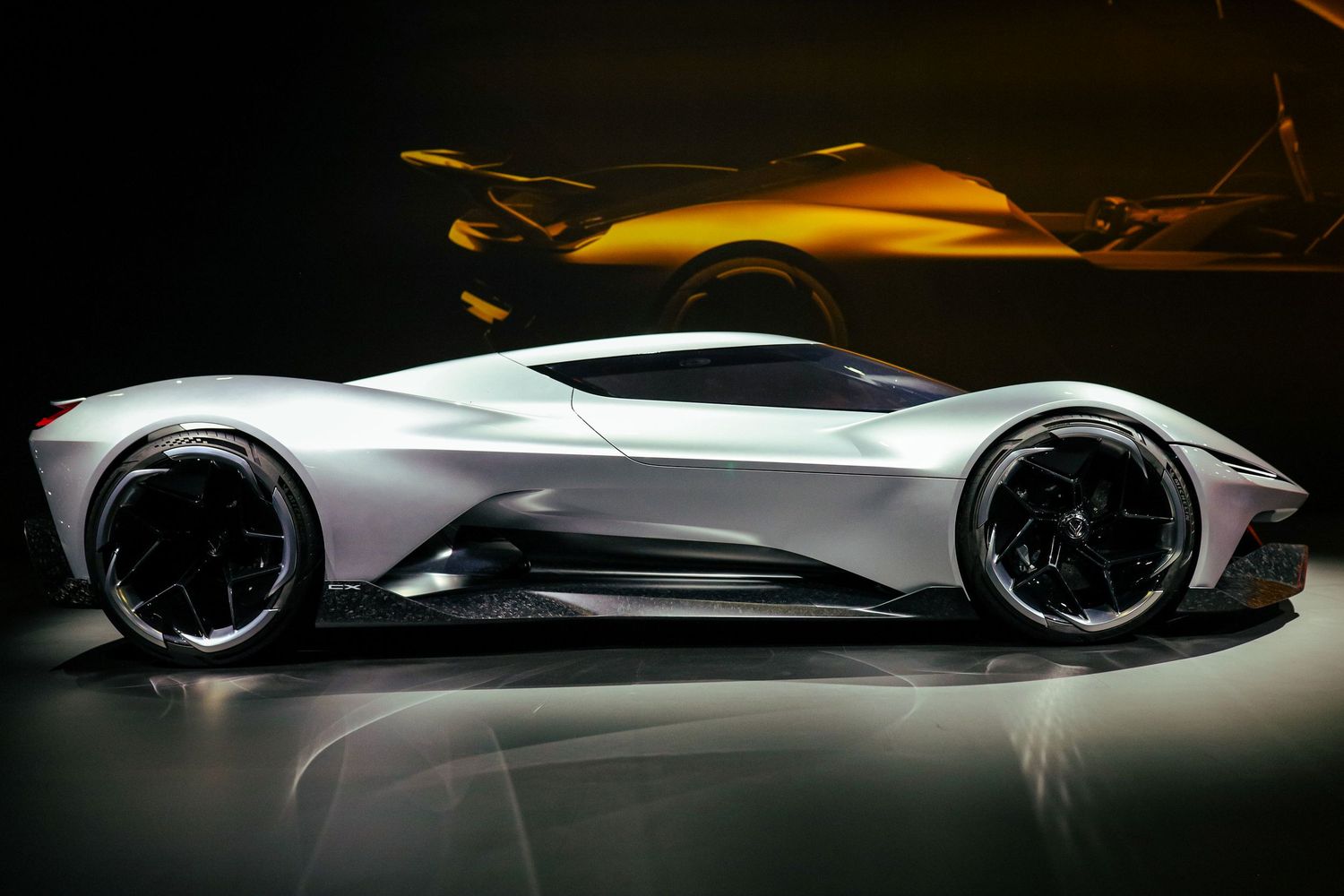
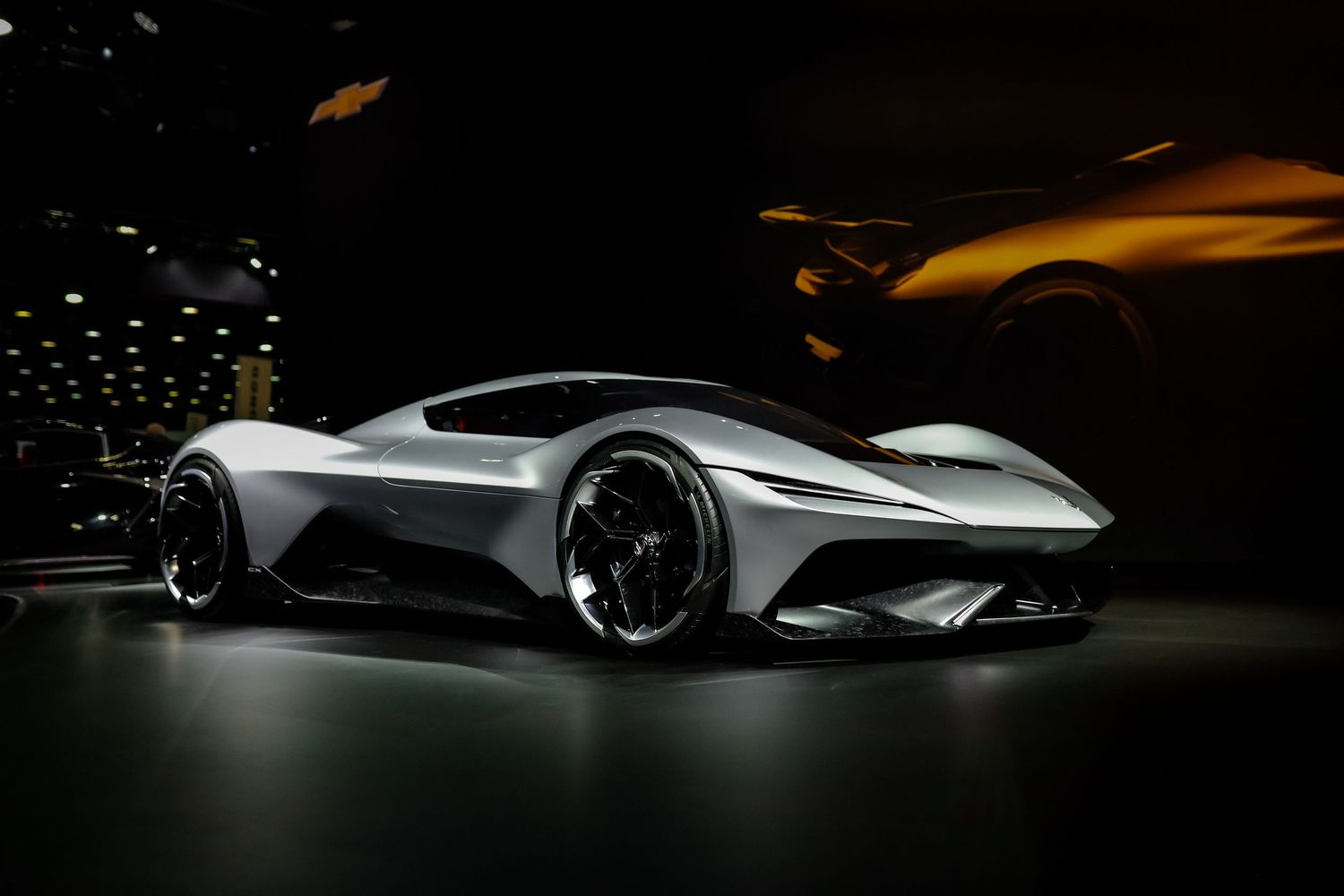
The 2026 Detroit Auto Show had no shortage of impressive vehicles, but one stood above the rest—not because it was loud or flashy, but because it represented where performance cars may be headed next. While production Corvettes lined the floor with proven power, the Concept Corvette pulled crowds away from other displays for a different reason. It posed a bold question: What happens when Corvette fully embraces the future without forgetting its roots?
The Concept Corvette featured a low, wide stance with aggressively sculpted lines, leaning heavily into aerodynamic efficiency. From sharp body contours to sculpted air channels, every surface appeared intentionally designed to move air with purpose.
What made this concept particularly compelling was how thoughtfully the Corvette identity was reimagined. It didn’t abandon its aggressive stance or performance-first mindset—it refined them. The result felt precise, calculated, and more modern than any Corvette before it.
Despite its claimed 2,000 horsepower, the concept emphasized agility, balance, and aerodynamic efficiency. The goal wasn’t just straight-line speed, but a machine capable of dominating corners, reacting with confidence, and staying planted at any speed.
At a time when the industry is balancing electrification, sustainability, and performance, this concept proved that excitement doesn’t have to be sacrificed. It showed that the Corvette brand still has the freedom to experiment, push boundaries, and lead rather than follow. For many attendees, it became the most inspiring vehicle on display—not because it was practical, but because it dared to dream.
The Gallery
Several ultra-low-production hypercars drew constant crowds at the 2026 Detroit Auto Show—not because most people would ever own one, but because they represented the outer limits of automotive possibility. These machines were experiments on wheels, pairing hybrid systems with extreme power, active aerodynamics that adjusted even while stationary, and materials borrowed from aerospace engineering.
The interiors were equally striking. While many exotics leaned into minimalism, they didn’t sacrifice character. Digital displays blended seamlessly into carbon-fiber dashboards, steering wheels resembled cockpit controls, and every panel felt deliberately placed.
What stuck with me most was how effortlessly these exotics contrasted with the rest of the show. While many manufacturers focused on efficiency, accessibility, and mass appeal, the exotic segment reminded everyone why we love cars in the first place. They aren’t practical. They aren’t sensible. And that’s exactly the point.
The 2026 Detroit Auto Show proved that the automotive world is evolving—but not losing its soul in the process. From practical daily drivers to boundary-pushing concepts and unapologetic exotics, the show captured both the reality and the romance of where cars are headed.